
Buffers

Buffers: stable signal level and impedance control
Buffers support audio systems where source devices, long cable runs or instrument-level feeds need a more predictable electrical interface. In AV integration, they are used to preserve level, reduce loading between connected devices and prepare signals for routing into processors, matrix systems, stage boxes or fixed installation inputs. The category is relevant for system designers working with hybrid setups, where professional line-level equipment may sit next to instruments, playback sources or legacy analogue connections.
Unlike format converters or distribution amplifiers, a signal buffer does not primarily change the signal type or create multiple outputs. Its role is electrical conditioning. Input impedance, output drive capability and balanced or unbalanced connection formats matter more than visible processing features. This separates the category from DI boxes, which are usually specified for source matching and isolation, and from preamps, which add gain as part of the signal chain.
Managing cable length, source loading and interface points
Well-chosen units are often placed at the boundary between stage, studio and installed infrastructure. Guitar systems, keyboard rigs and playback devices can all suffer when cable capacitance or mismatched inputs change the response before the signal reaches the main processing path. In project specifications, these devices help keep the source stable before it enters DSP, patch panels or balanced multicore cabling. Compact formats are useful in racks and floor-level interface points, while transformer-isolated designs can also help control ground-related problems when separate power circuits are involved.
The brands in our buffers range
The selection focuses on practical analogue interface tools for live, studio and installed audio routing.
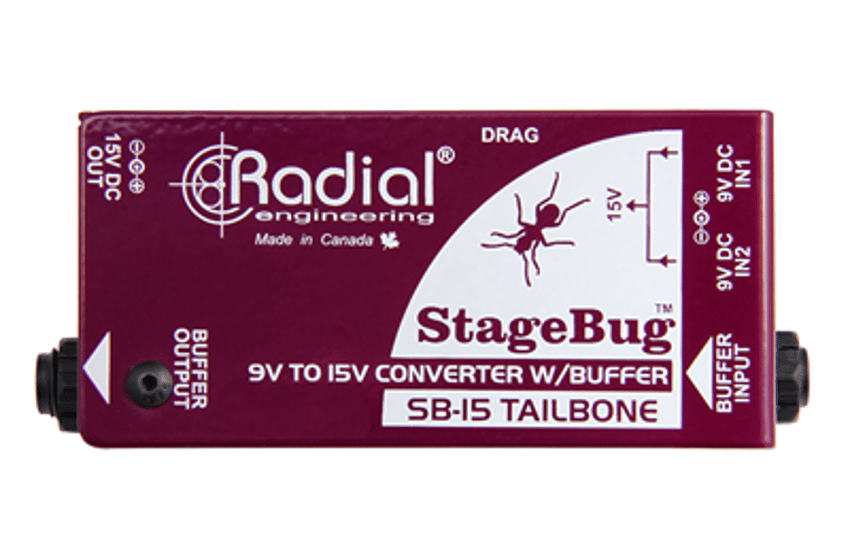
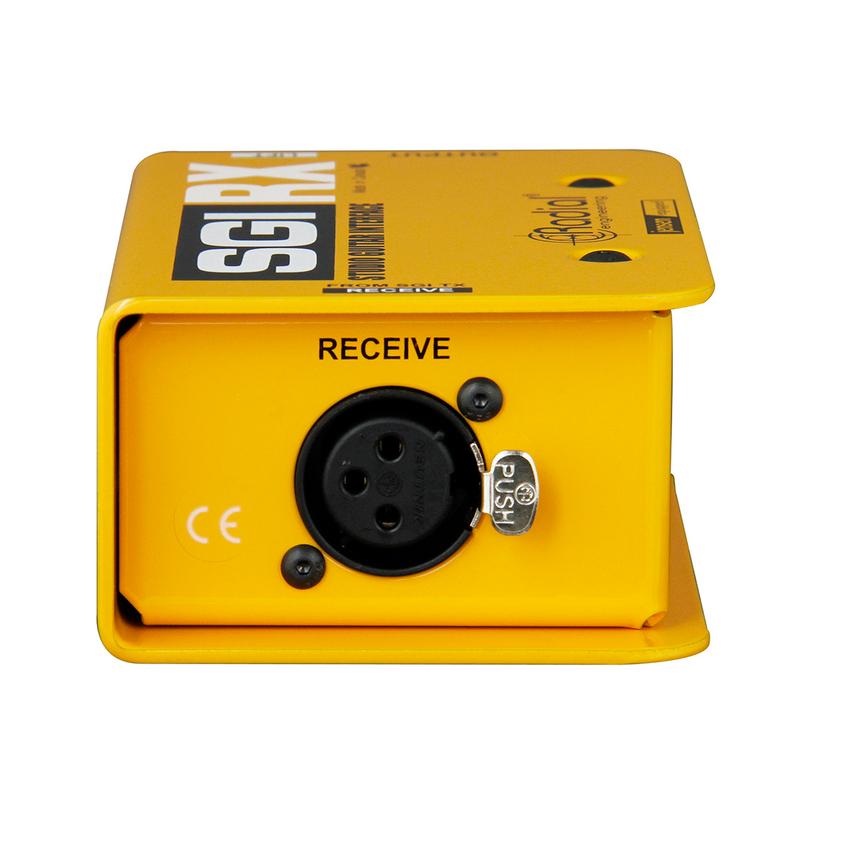
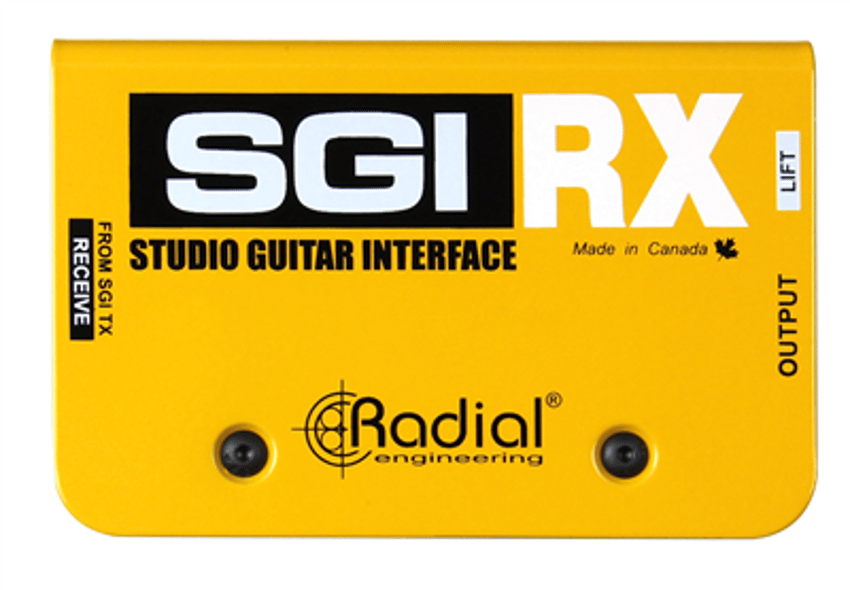
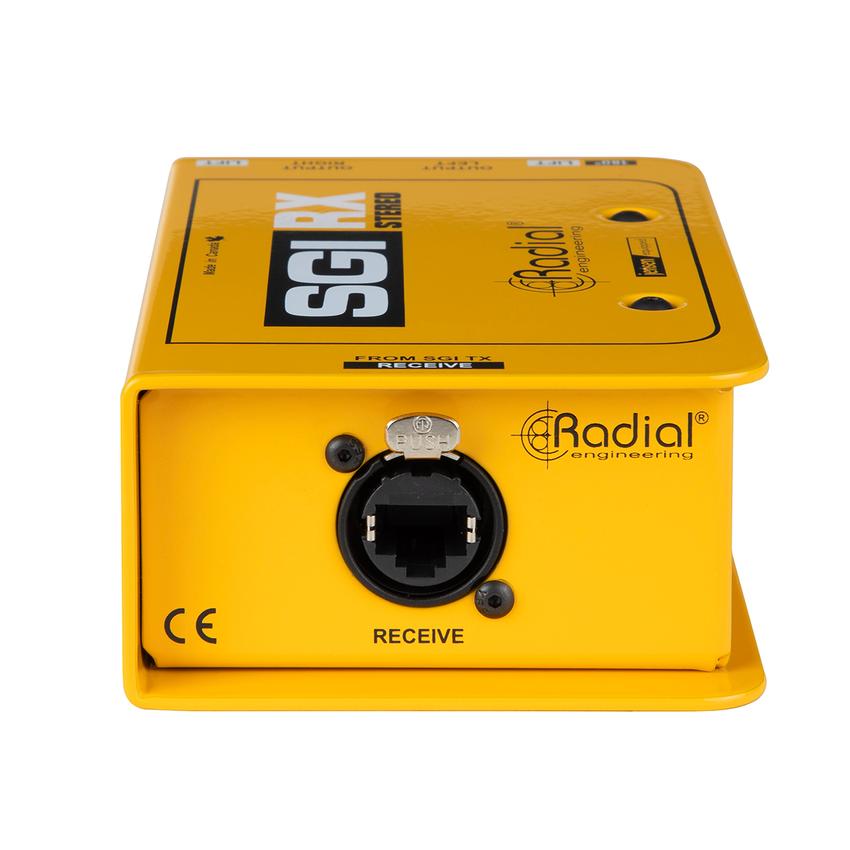
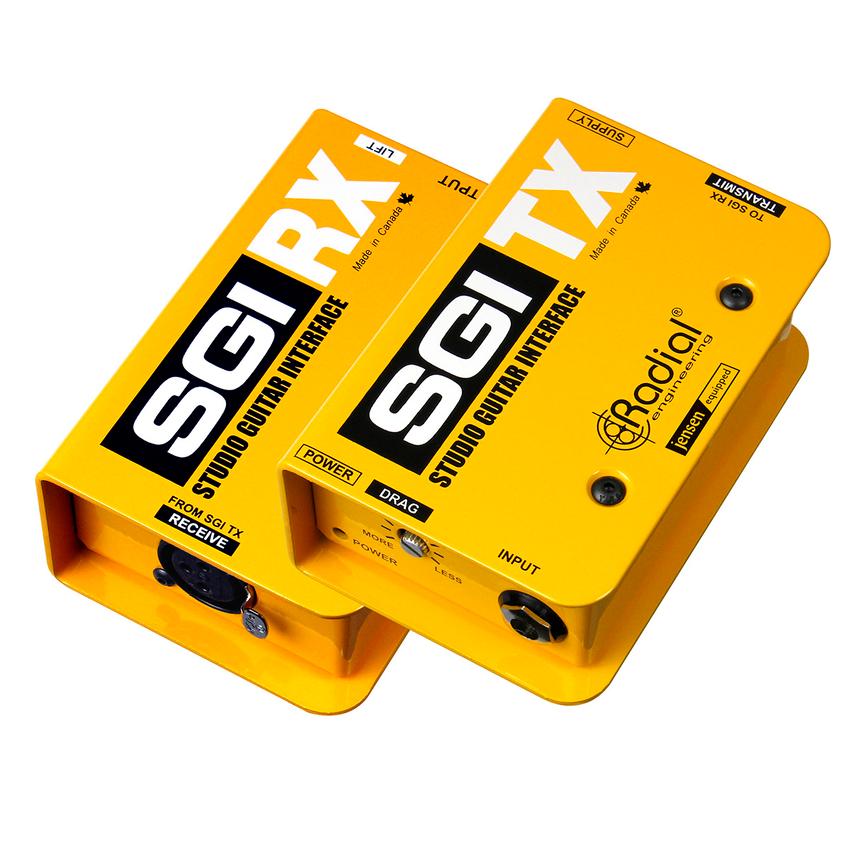
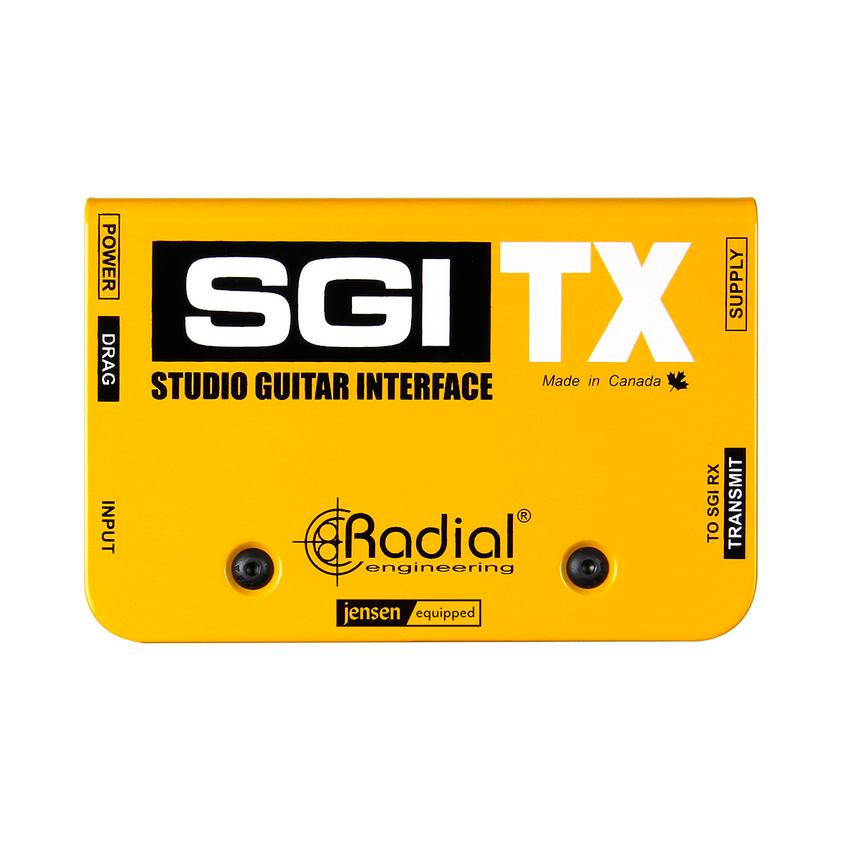
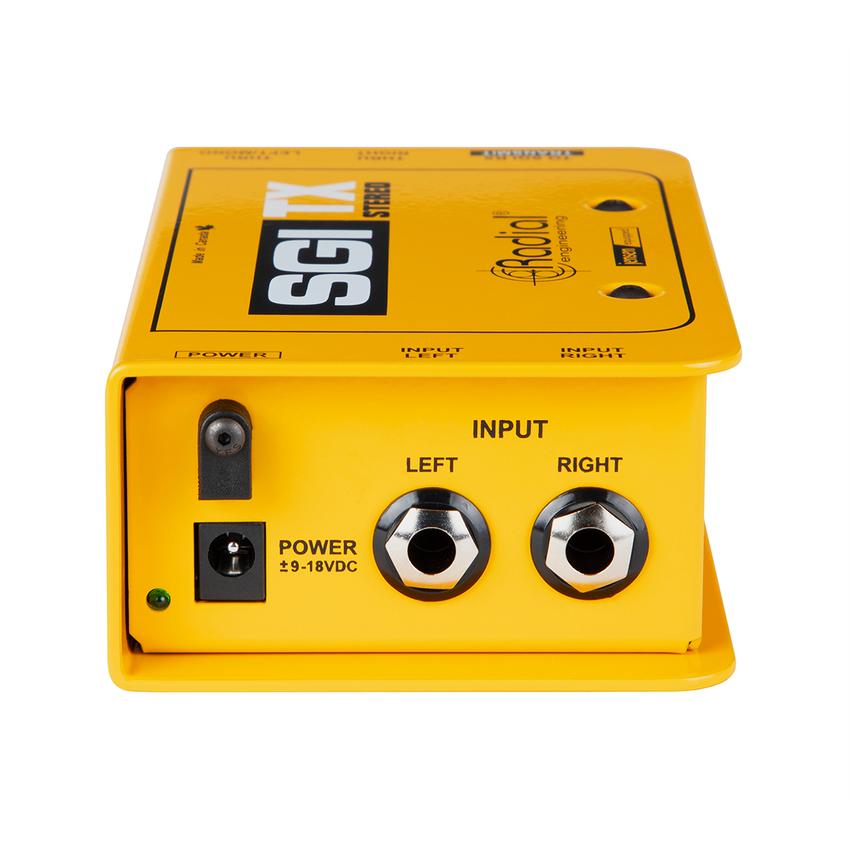
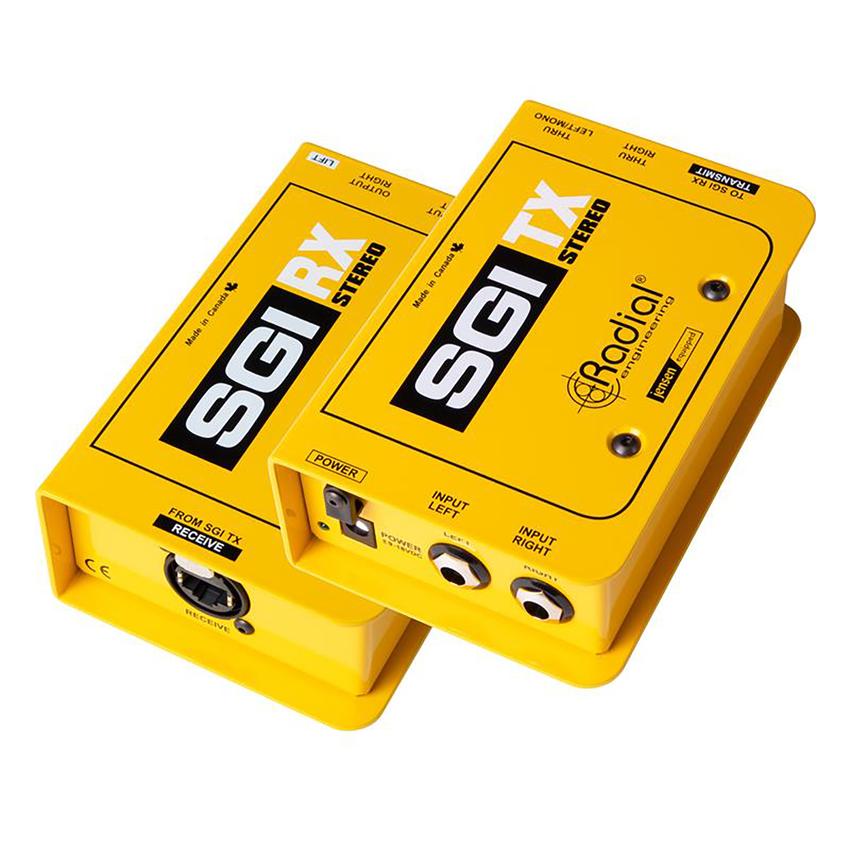
- Radial: StageBug and SGI models cover compact signal conditioning, instrument interface duties and long-run guitar system applications.
Specifying buffers for AV projects
These units are typically specified alongside DI boxes, audio patching, stage connectivity, DSP inputs and analogue distribution hardware. They are most useful where the source location is fixed but the cable distance, impedance relationship or grounding environment is not ideal. For the wider processing layer, combine them with delay, dynamics, matrix and system control hardware from our audio processors range.