
Cables

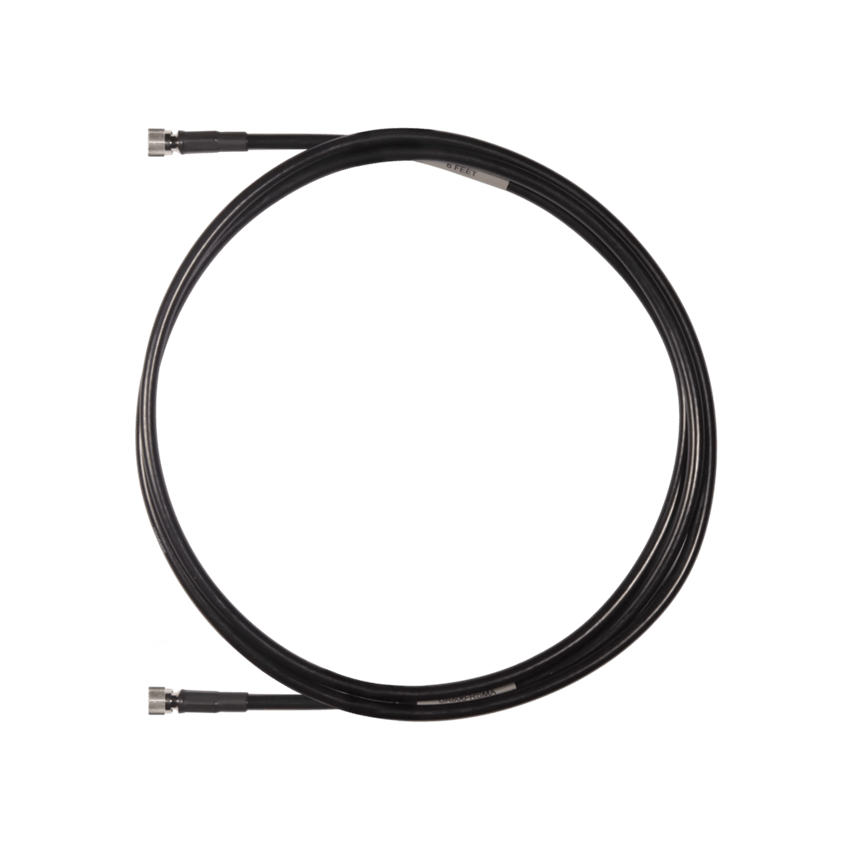
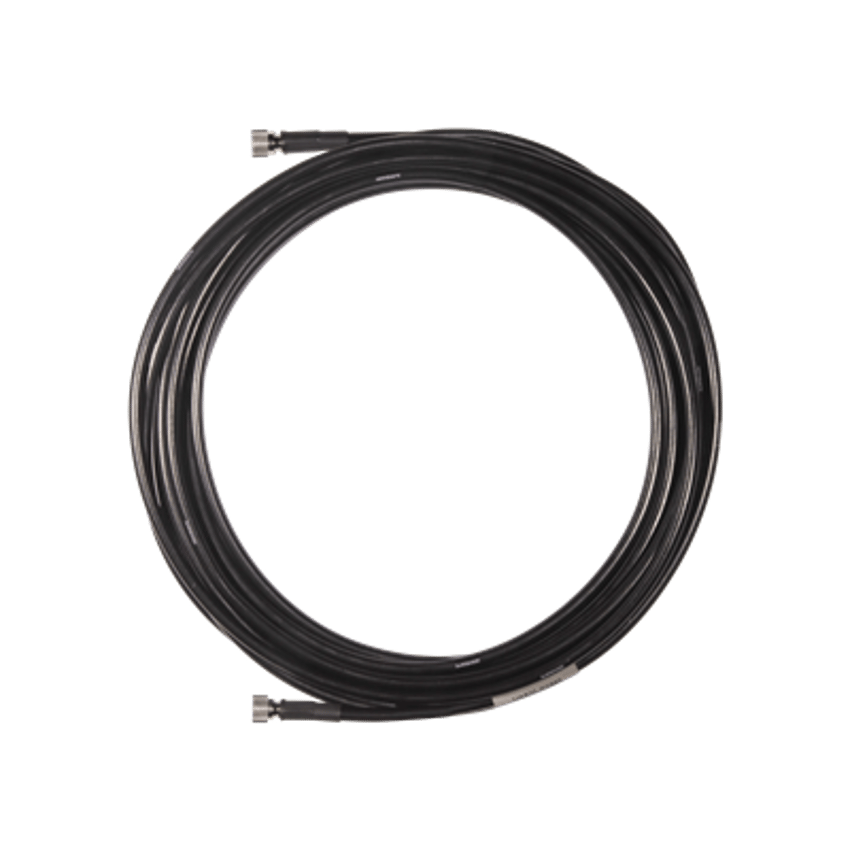
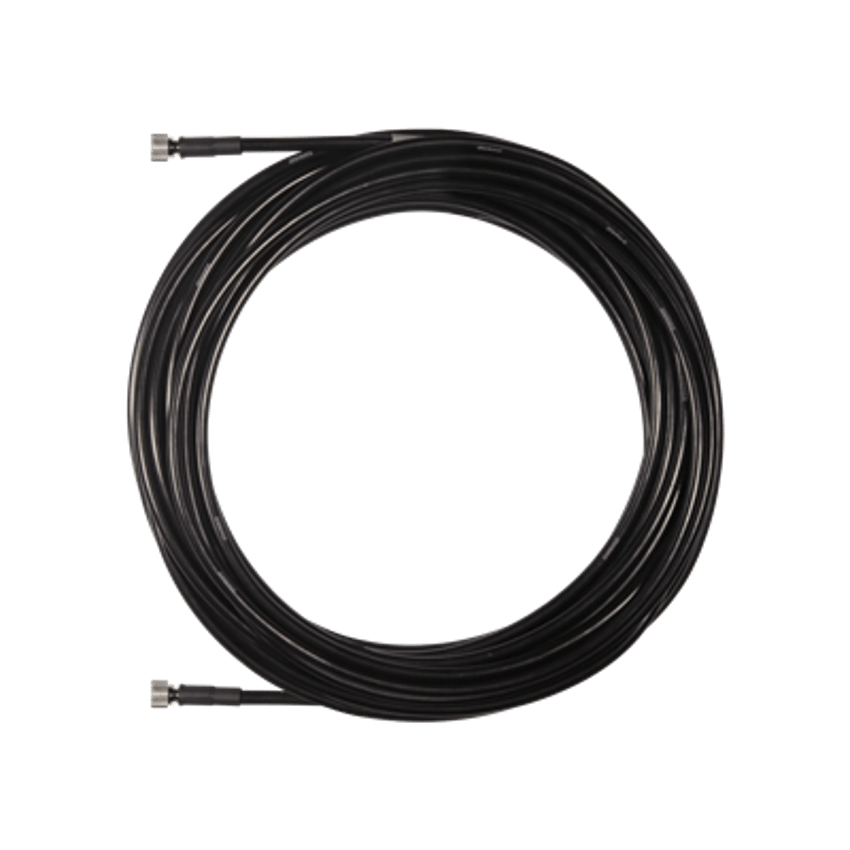

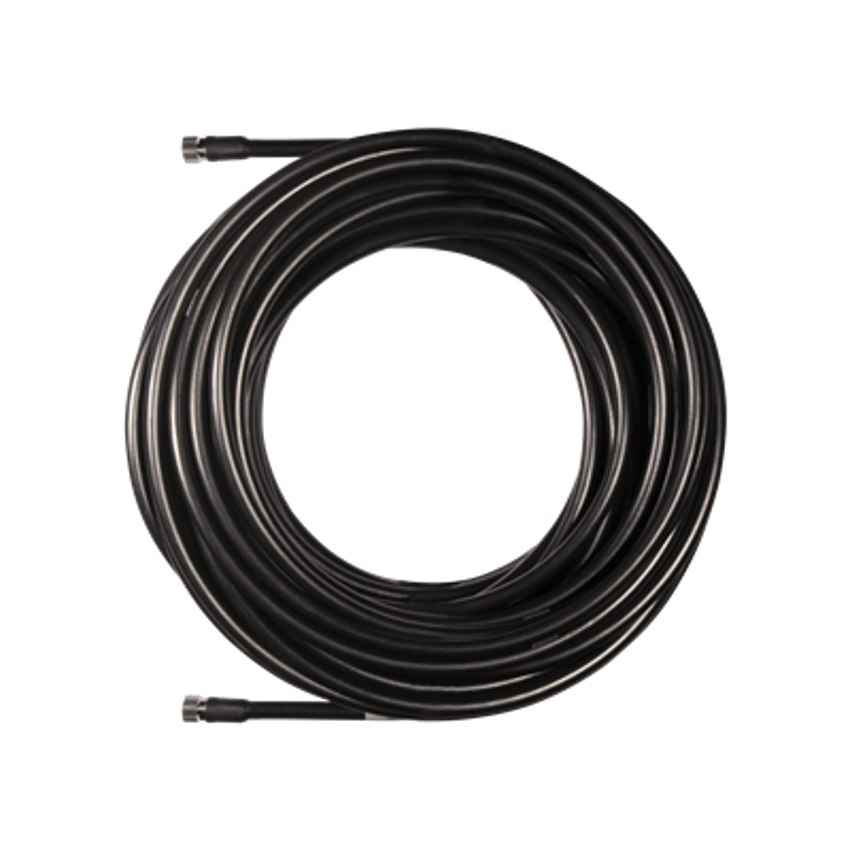
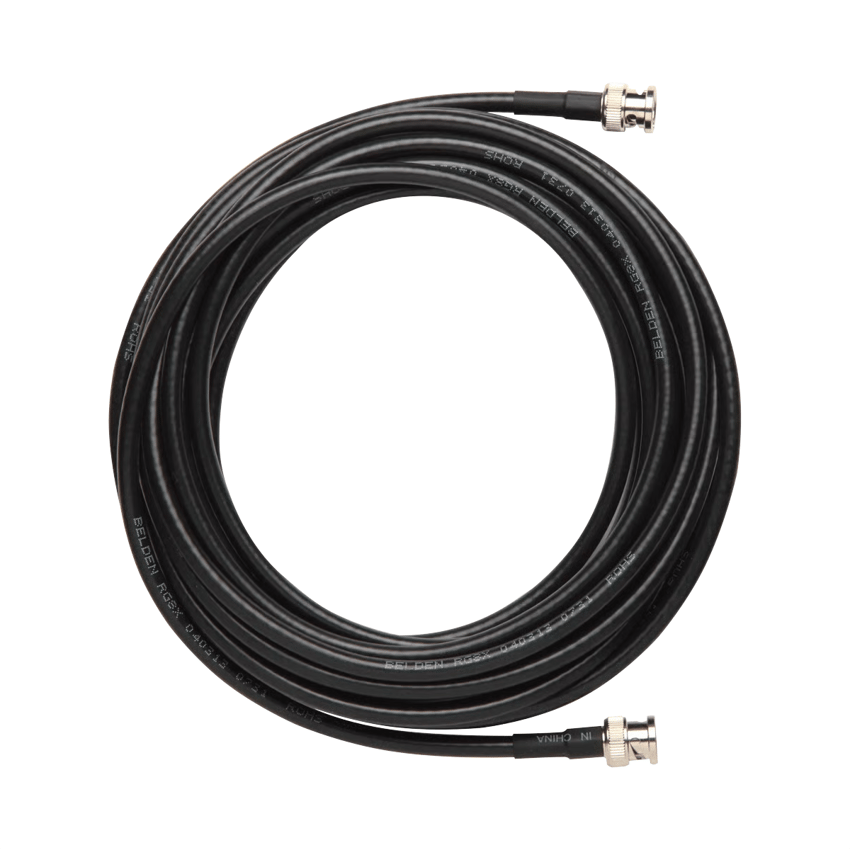





Cables: RF signal links for wireless audio systems
Cables in this section serve professional wireless microphone and antenna distribution setups. They are specified for AV integrators, installers and system designers who need dependable connections between receivers, antenna splitters, boosters and remote antennas in fixed or portable audio systems. In project work, the cable is not just an accessory. It determines how much RF energy reaches the receiver rack after a run through walls, truss, stage boxes or equipment furniture.
Unlike balanced microphone leads or loudspeaker wiring, coaxial antenna cabling is selected around impedance, connector type and loss over distance. The products here are built around 50 ohm BNC signal paths, which are common in professional wireless microphone infrastructure. Length matters. A short patch lead between rack components has different requirements from a 25 foot or 100 foot run to a paddle antenna above a stage or in a conference room ceiling.
Coax runs, rack patches and antenna placement
Wireless installations depend on clean RF routing before the audio signal even reaches the receiver. Low-loss coax helps preserve usable signal level on longer antenna runs, while shorter BNC leads keep rack wiring controlled between distribution units and receivers. Cable choice should follow the antenna layout, receiver band planning and physical route through the venue. For touring racks, strain relief and repeatable connector handling matter. For installed systems, the route, bend radius and service access should be defined before final specification.
The brands in our cables range
The selection focuses on antenna cabling used with professional wireless microphone systems.
- Electro-Voice: Low-loss 50 ohm BNC coax options for extending antenna positions in compatible wireless receiver systems.
- Shure: BNC antenna leads such as UA802 and UA825 for connecting remote antennas and wireless distribution hardware.
Specifying cables for AV projects
These components are usually combined with wireless microphone receivers, antenna splitters, directional antennas and rack hardware. The right specification starts with receiver location, antenna position and acceptable run length, not with the connector alone. For the broader cabling context in audio installations, explore our cables portfolio.