
Splitters






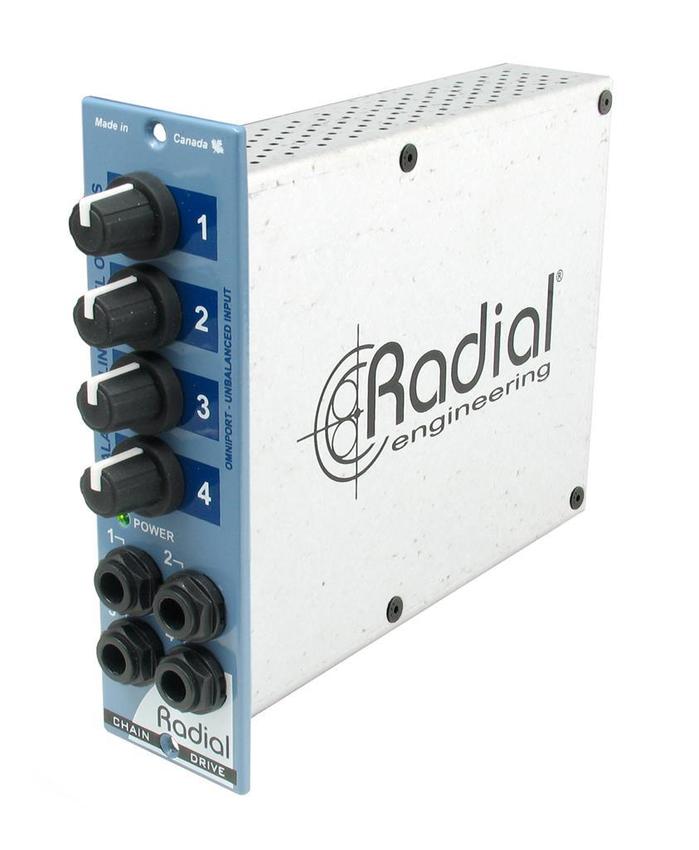


Splitters:
Splitters are used when one source has to feed more than one destination without leaving the signal path to improvised cabling. That can mean sending a microphone feed to several consoles, distributing a line-level source to parallel zones, or routing RF antenna signals to wireless receiver racks. The category serves installers, AV integrators and system designers who need predictable routing at the specification stage.
This range sits between basic connectivity hardware and active distribution systems. Audio models are selected for impedance handling, transformer isolation, connector layout and the way they deal with ground loops between connected devices. Antenna distribution units have a different job. They keep wireless microphone reception organised by splitting RF feeds across receiver channels while maintaining correct frequency range and rack wiring discipline.
Signal paths for stage, rack and fixed installation
For audio distribution, products such as the Radial JS3 and LX-3 address cases where a single balanced source must be shared with front-of-house, monitor, recording or broadcast equipment. Isolation matters when those destinations are powered from separate electrical circuits. For wireless systems, units such as the Electro-Voice RE3-ACC-PASP passive antenna splitter kit and RE3-ACC-AASP 2-in x 8-out antenna splitter support cleaner rack layouts by reducing the number of antennas required at the receiver side. The design focus is practical: fewer cable runs, fewer uncontrolled junctions and a clearer drawing for commissioning.
The brands in our splitters range
The selection covers both balanced audio distribution and RF antenna routing for professional wireless microphone systems.
- Radial: Offers transformer-isolated audio units for feeding multiple balanced outputs from a single microphone or line-level source.
- Electro-Voice: Provides RE3 antenna distribution accessories for wireless receiver racks.
Specifying splitters for AV projects
These devices are typically specified with microphone systems, DI boxes, balanced cabling, rack panels and wireless antenna accessories. In a fixed venue, the requirement often starts with a clear signal diagram: which source feeds which destination, where isolation is needed, and whether the split concerns audio or RF. For the broader routing and cabling context, use the parent splitters category as the reference point inside our signal connectivity portfolio.