
Wireless systems


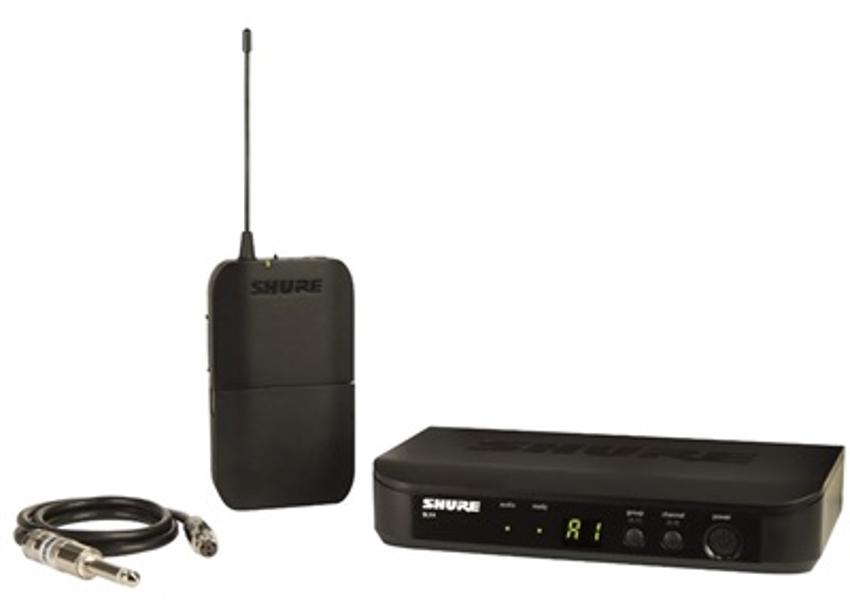
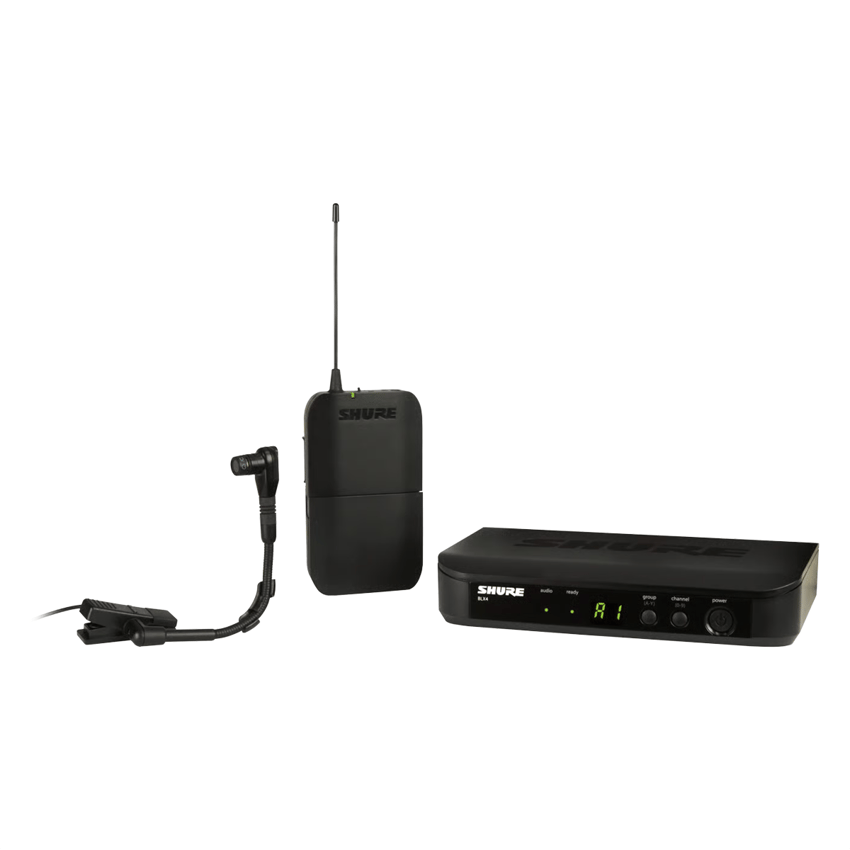
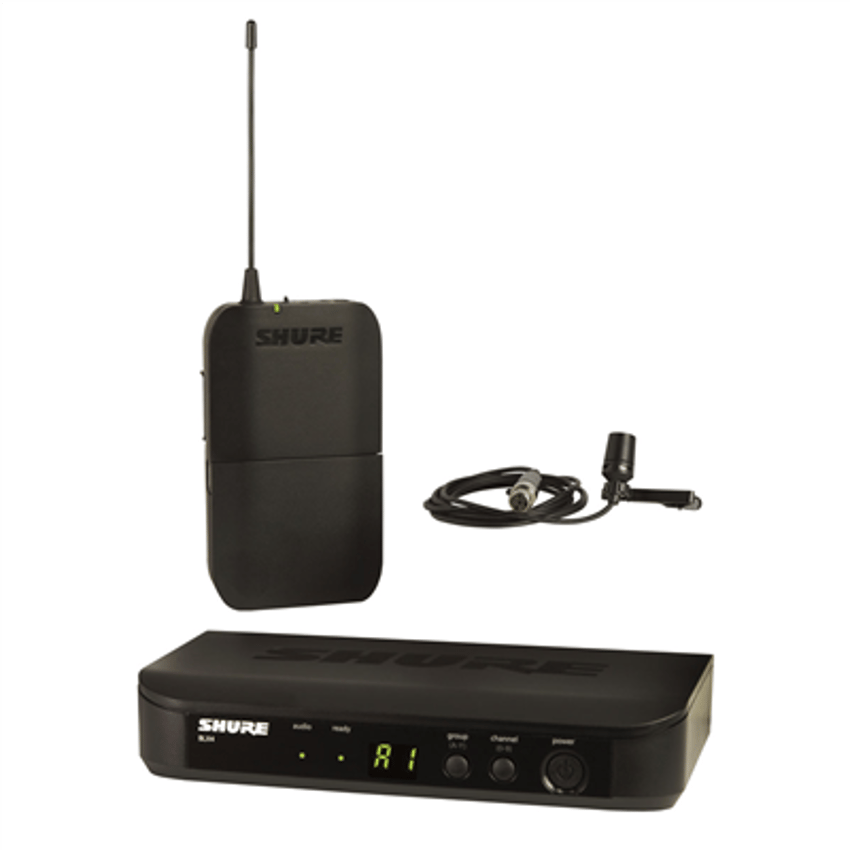
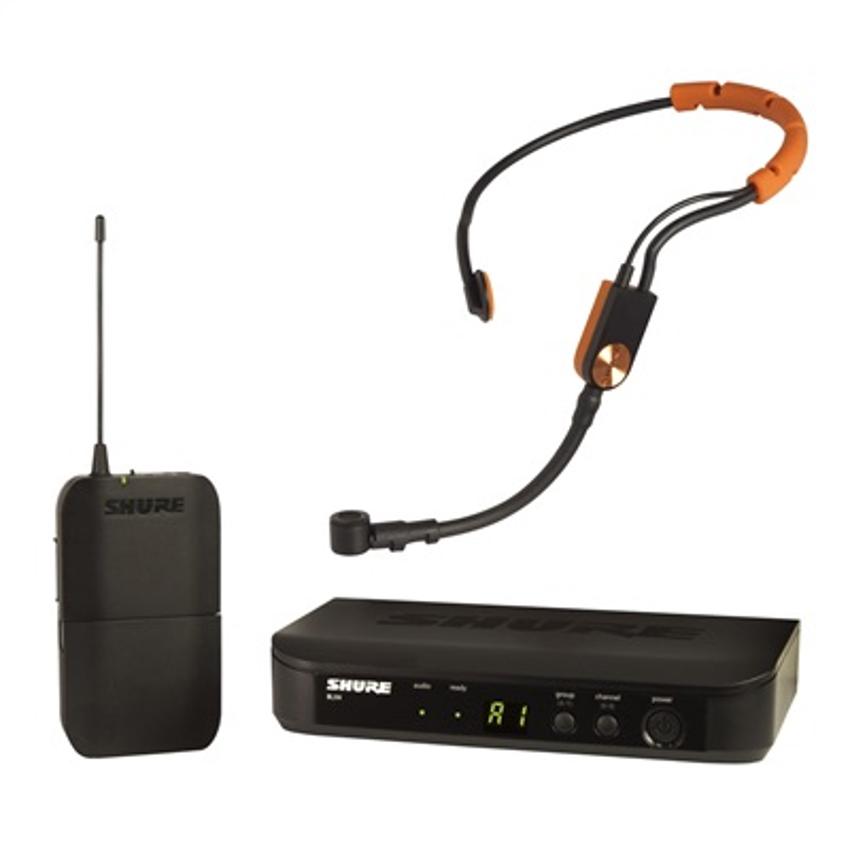
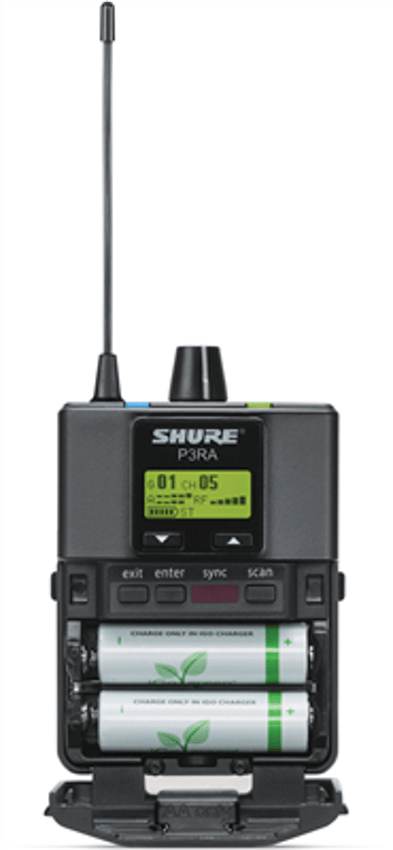
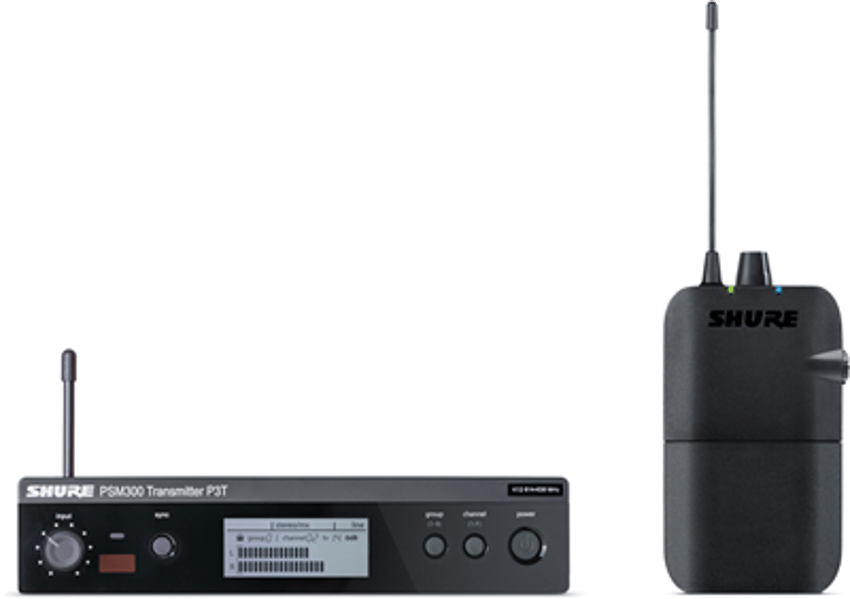
Wireless systems:
Wireless systems are specified for productions and installations where performers, speakers or presenters need freedom of movement without a fixed cable path. In pro environments, they are part of a wider audio infrastructure that must account for channel count, RF planning, receiver placement, antenna distribution and the signal path into mixers, DSP platforms or installed loudspeaker systems.
Compared with wired microphone solutions, this category adds spectrum management to the design process. Frequency band selection, intermodulation spacing and antenna layout affect reliability as much as capsule choice or transmitter format. Digital platforms such as Axient Digital and SLXD are often chosen where coordination density matter, while analogue ranges fit smaller venues, education rooms, houses of worship and mobile presentation setups with more limited channel requirements.
System design around transmitters, receivers and antennas
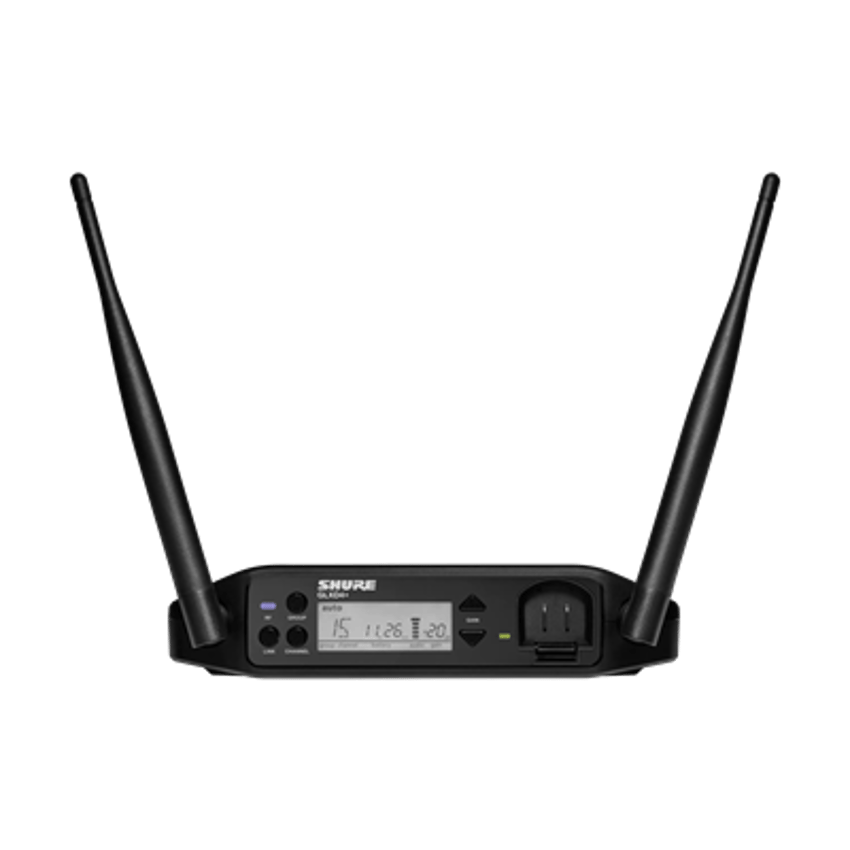
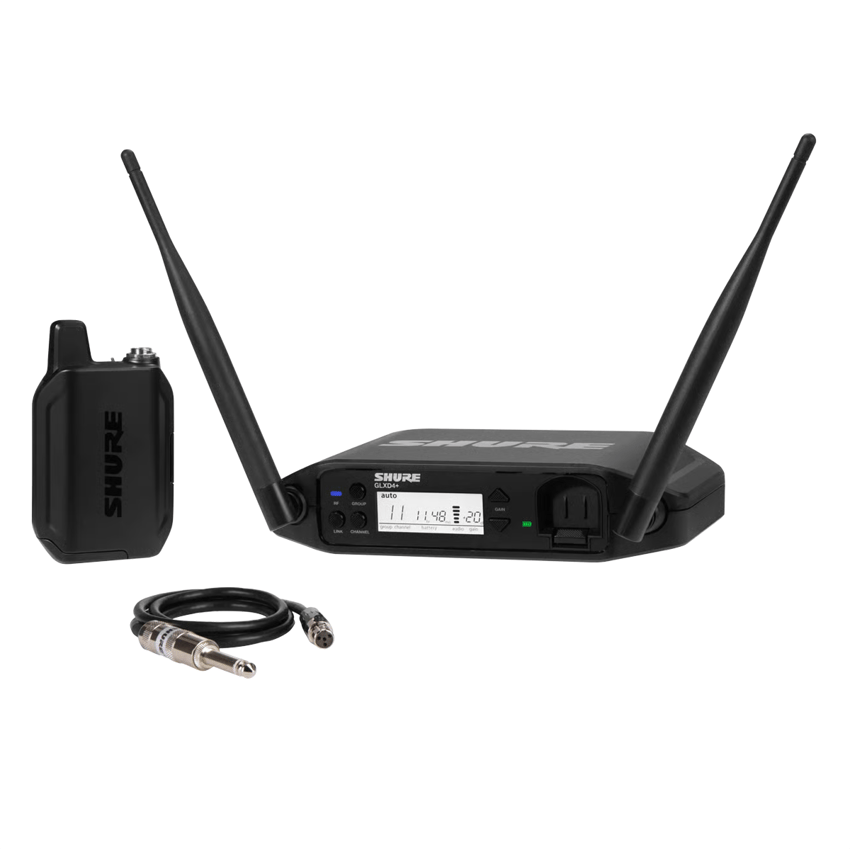
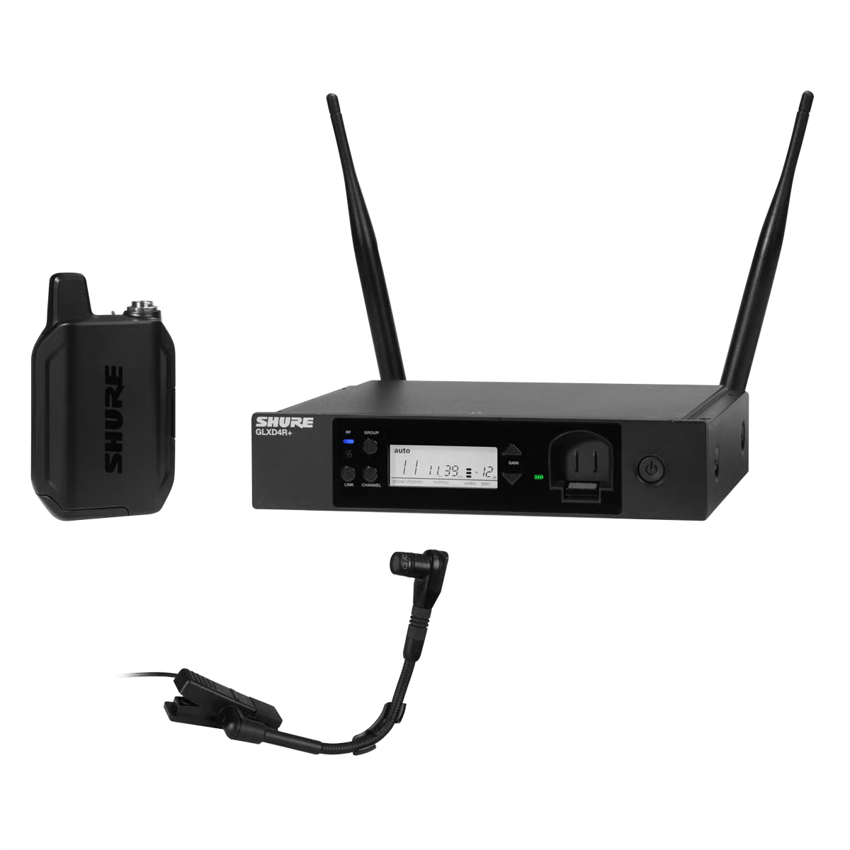
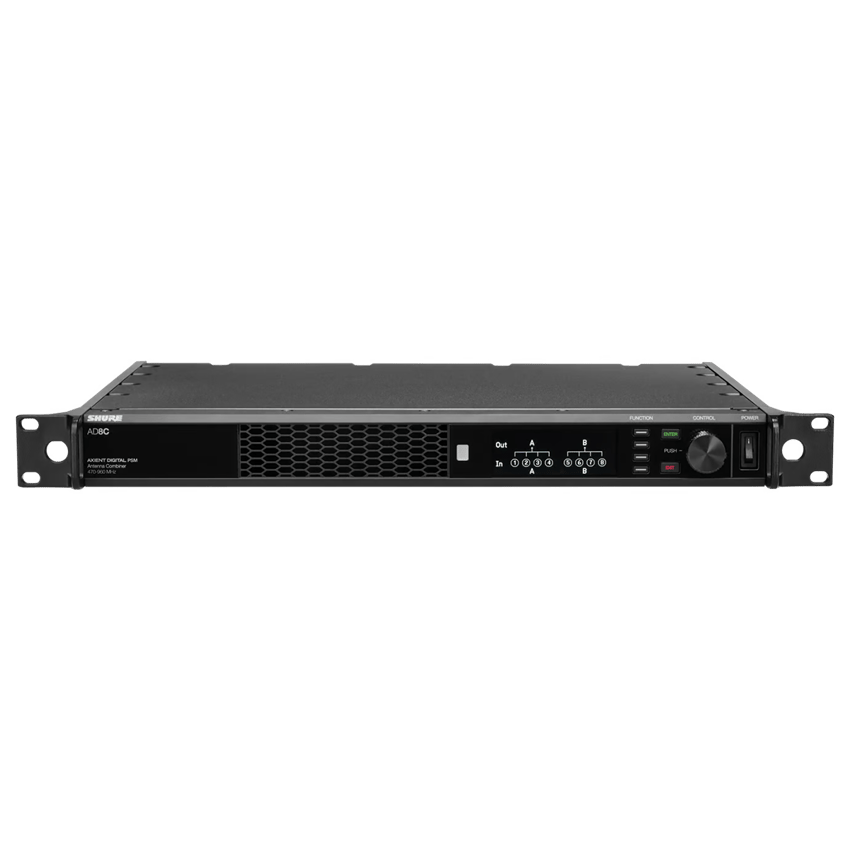
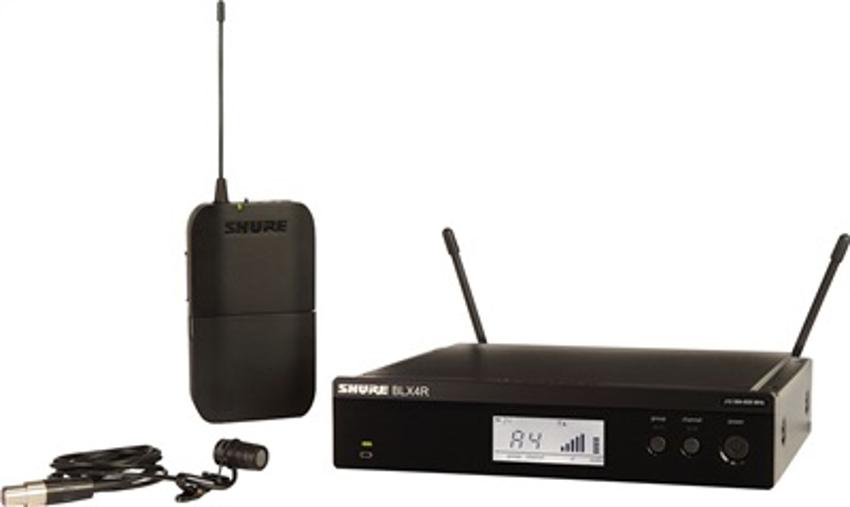
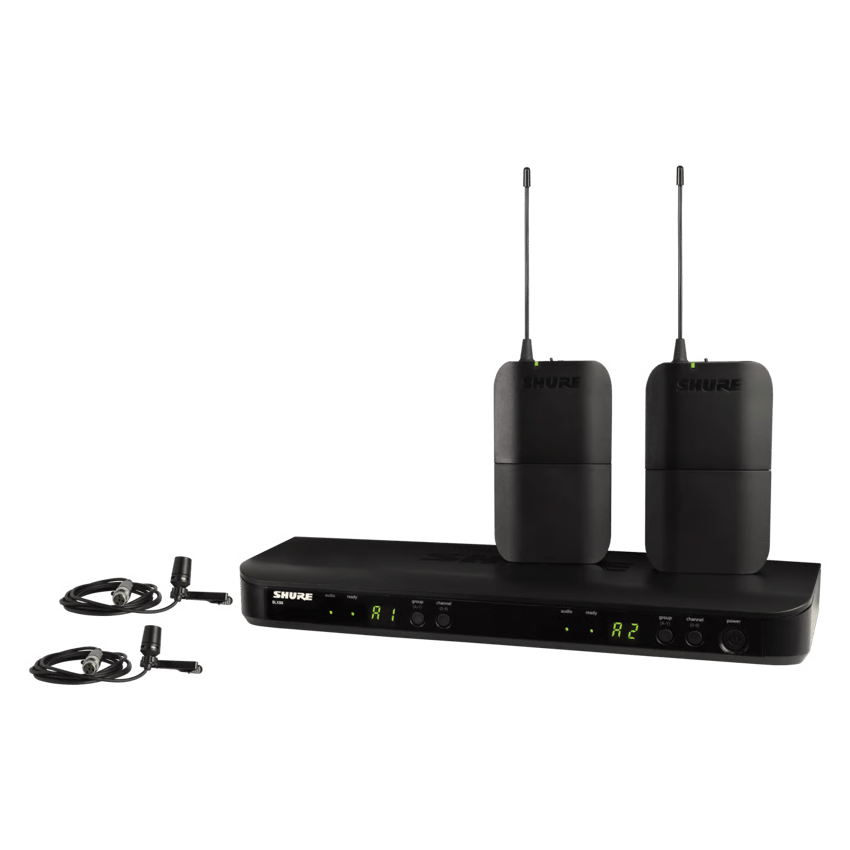
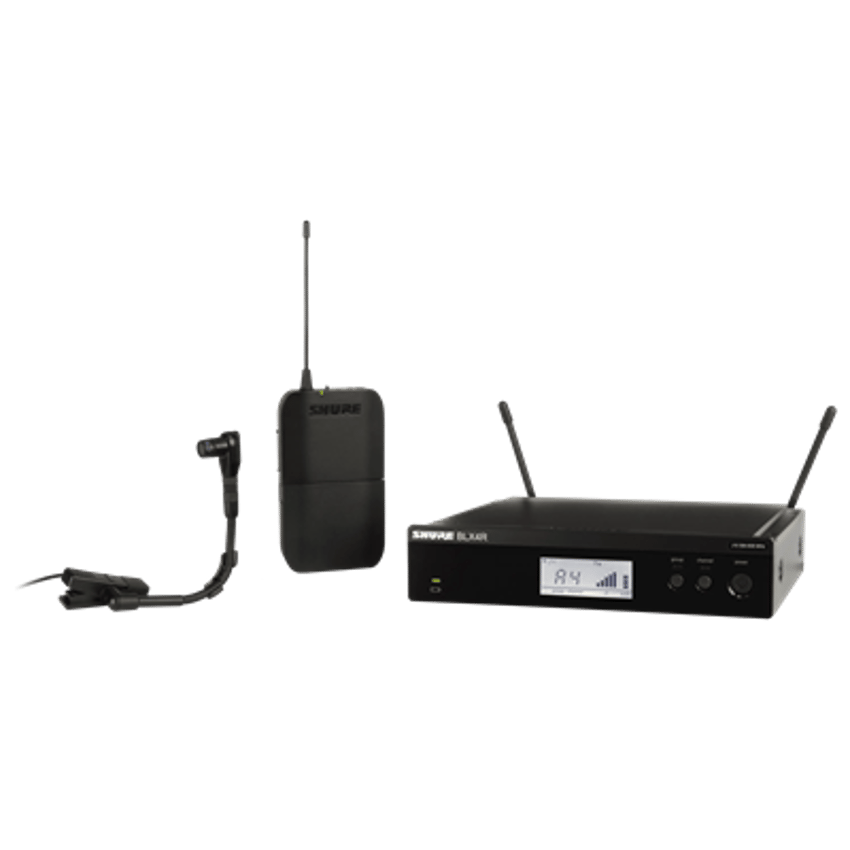
A complete configuration starts with the source. Handheld transmitters suit vocal and speech applications, beltpack transmitters support lavalier, headset and instrument use, and rack receivers keep the RF section accessible for service and monitoring. Larger projects may require remote antennas, antenna splitters and networked control to keep reception stable across stages, auditoriums or multipurpose rooms. Output format also matters. Balanced analogue outputs remain common, while higher-tier systems can integrate with digital audio networks or software-based monitoring workflows.
The brands in our wireless systems range
The selection covers scalable platforms for installed speech, live production and rental-grade channel coordination.
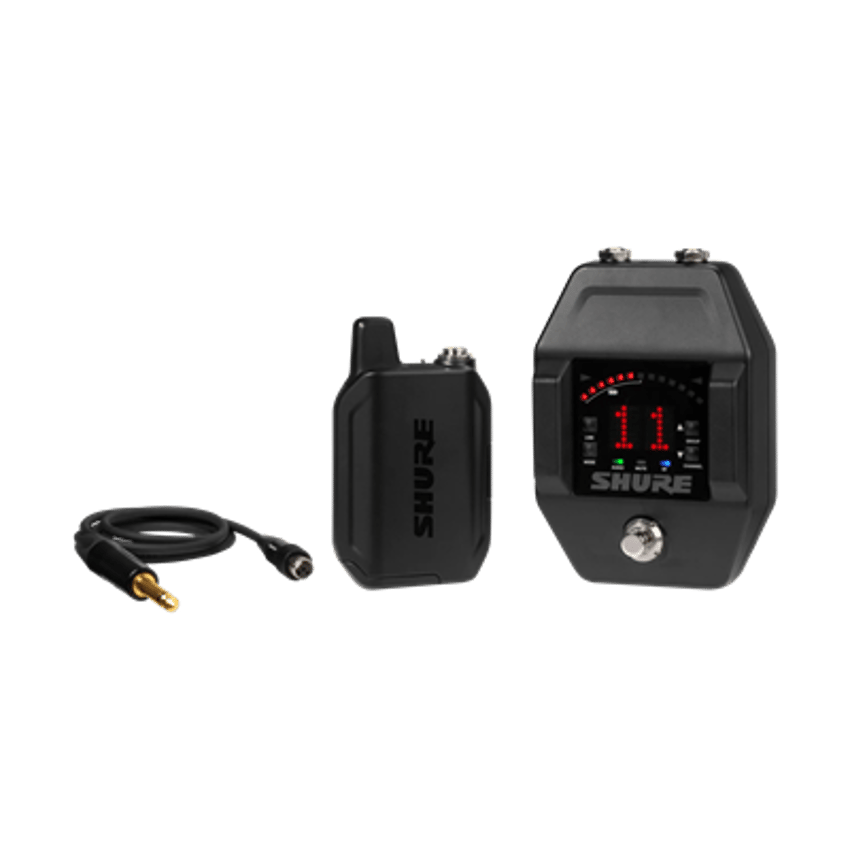
- Shure: Systems such as BLXD, SLXD and Axient Digital cover handheld, lavalier and instrument configurations across different RF density requirements.
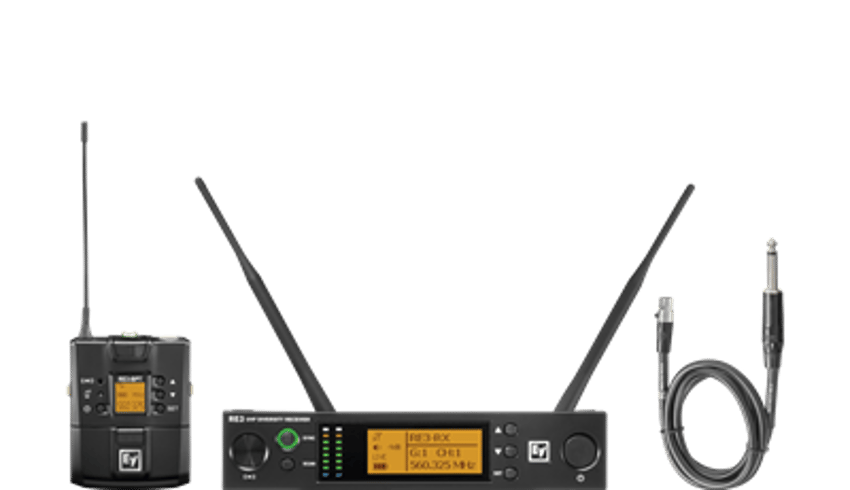
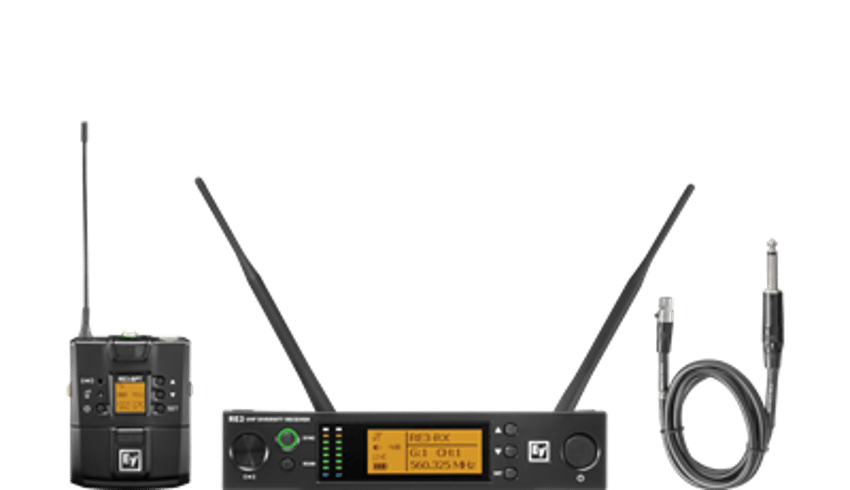
- Electro-Voice: RE3 configurations provide rackmount receiver options with handheld and bodypack transmitters for speech, vocal and presentation use.
Specifying wireless systems for AV projects
These products are normally combined with antenna distribution, mixing consoles, DSP processors, installed loudspeakers and control infrastructure. Project drawings should define receiver locations, cable runs to remote antennas, available spectrum and the number of simultaneous transmitters before hardware is selected. For broader system planning, use the parent wireless systems category as the next reference point.