
Lighting consoles

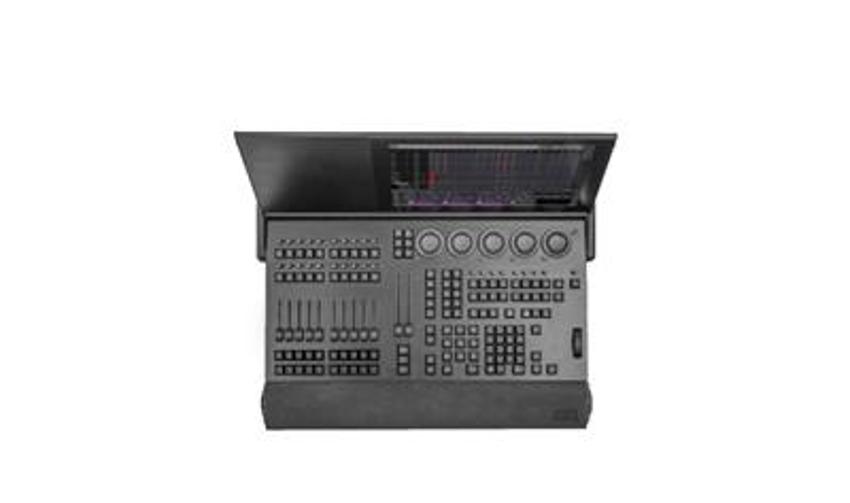
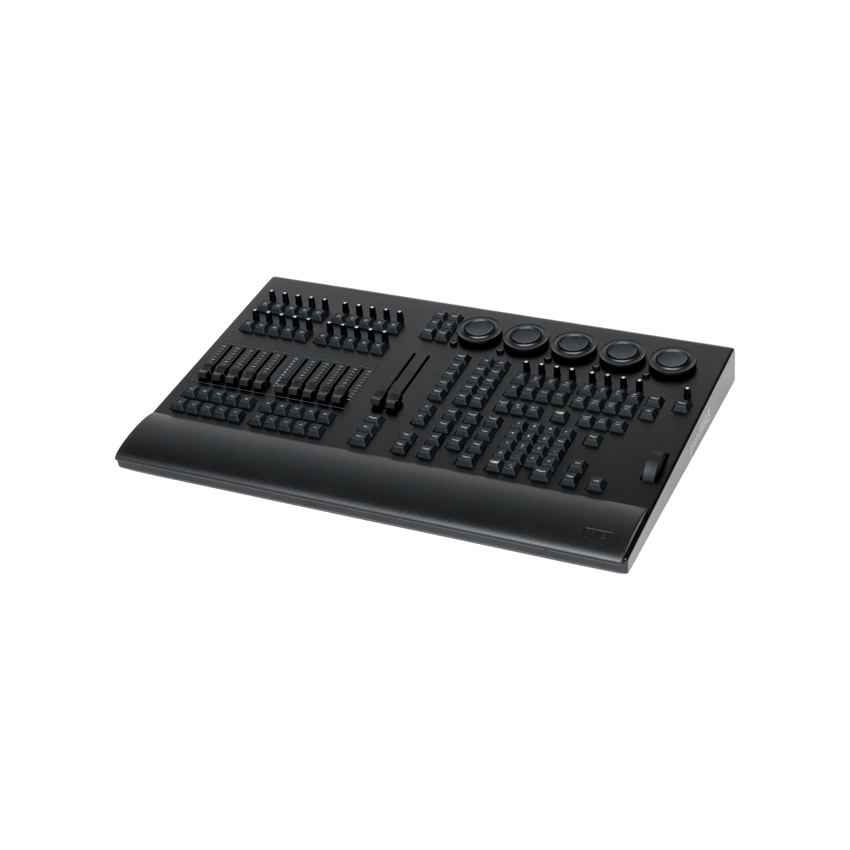
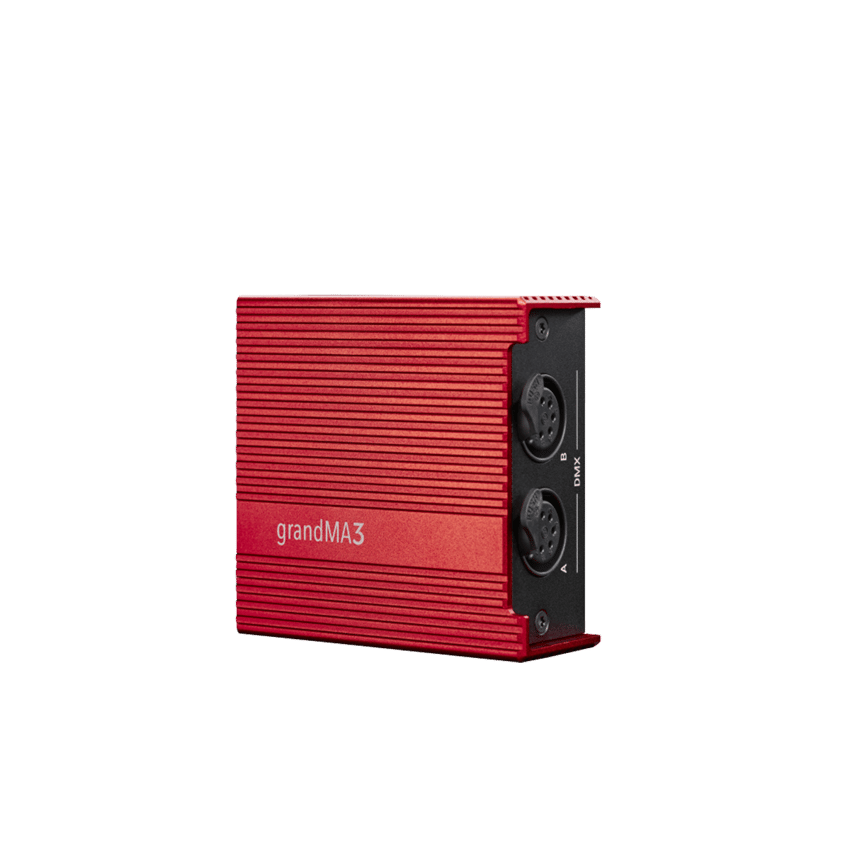
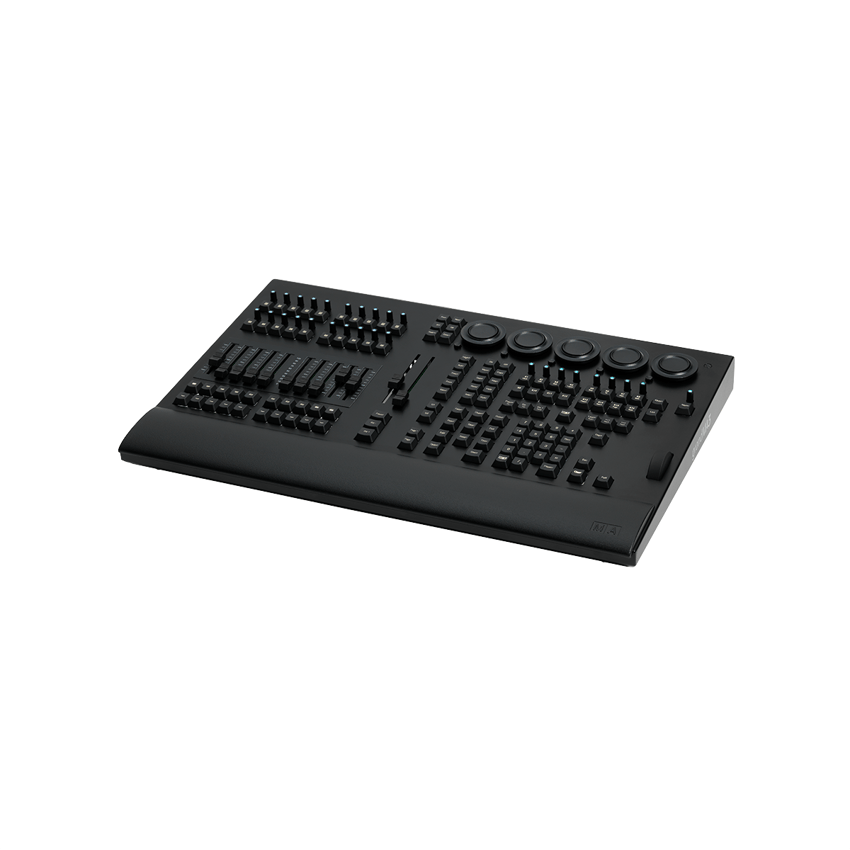
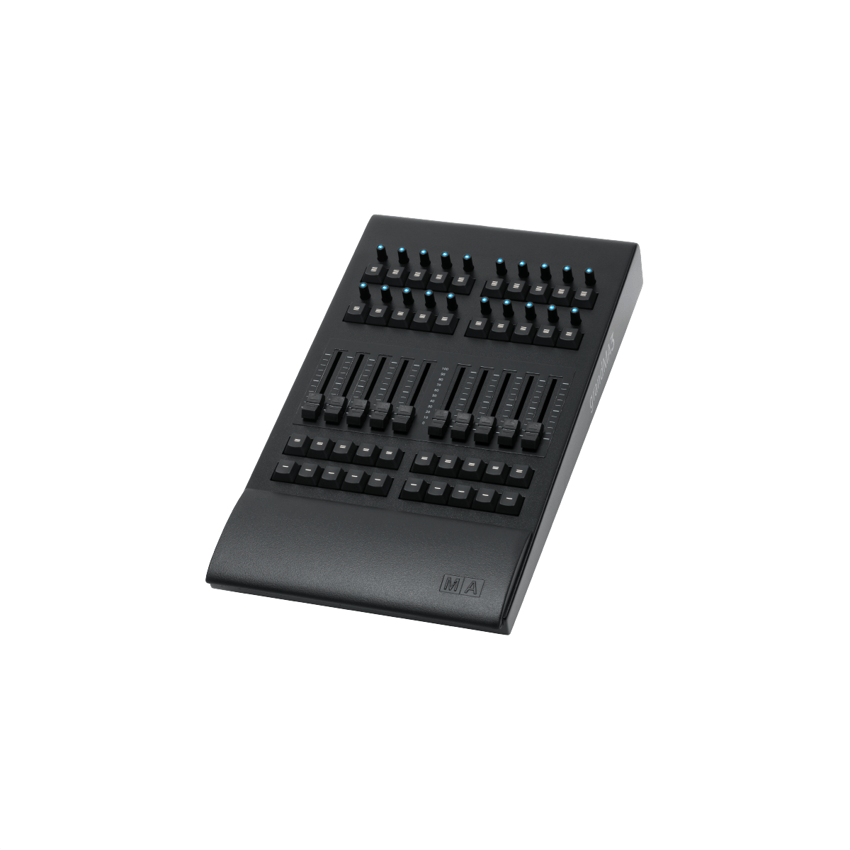
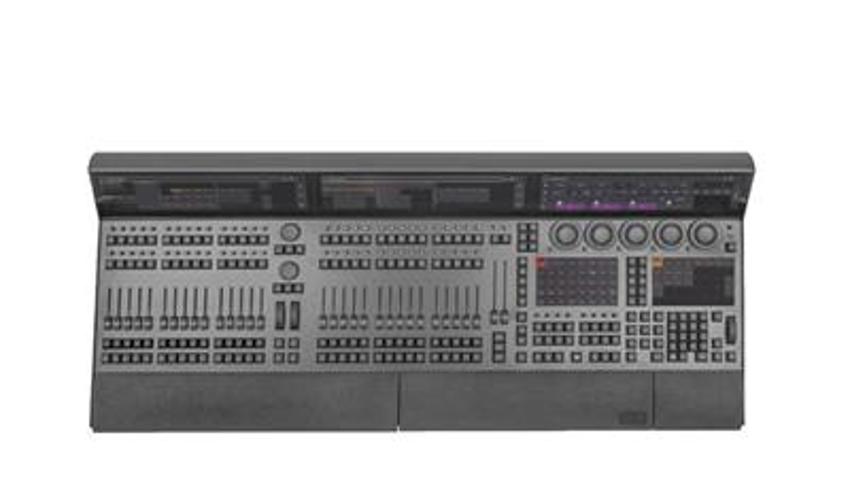
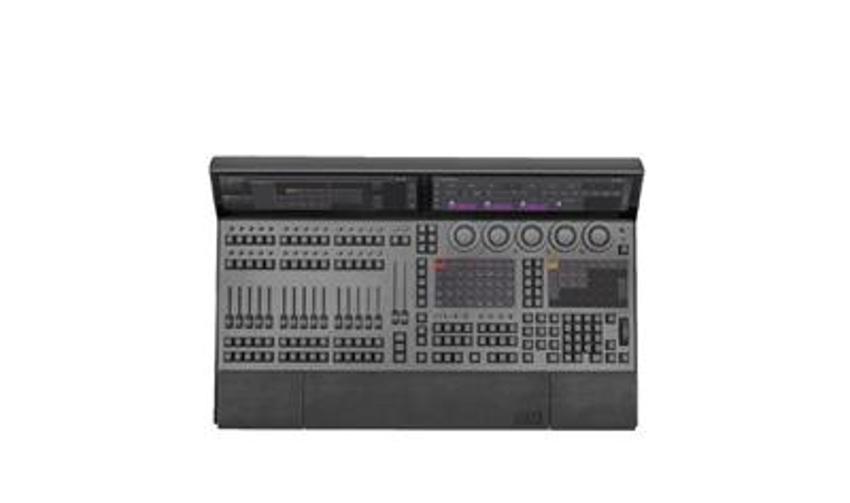
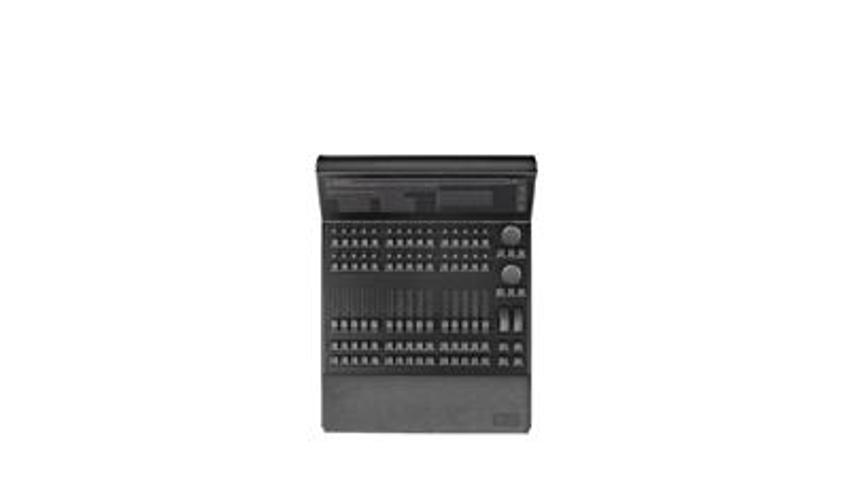
Lighting consoles: show programming and fixture control for professional rigs
Lighting consoles are the centre for professional light control. They serve lighting designers, AV integrators, rental suppliers and technical production teams that need repeatable programming, precise cue handling and reliable communication with fixtures across a rig. The console defines how shows are built, stored, triggered and adapted during rehearsals, live operation or timecoded playback.
This category sits apart from simple DMX controllers and architectural wall stations. A professional desk is built around fixture libraries, parameter control, executor layouts, network protocols and show file management. That matters when a project includes moving heads, LED wash units, pixel fixtures or media servers. The operator needs fast access to intensity, colour, position, beam and timing values without losing overview of the complete system.
Control architecture for live and installed rigs
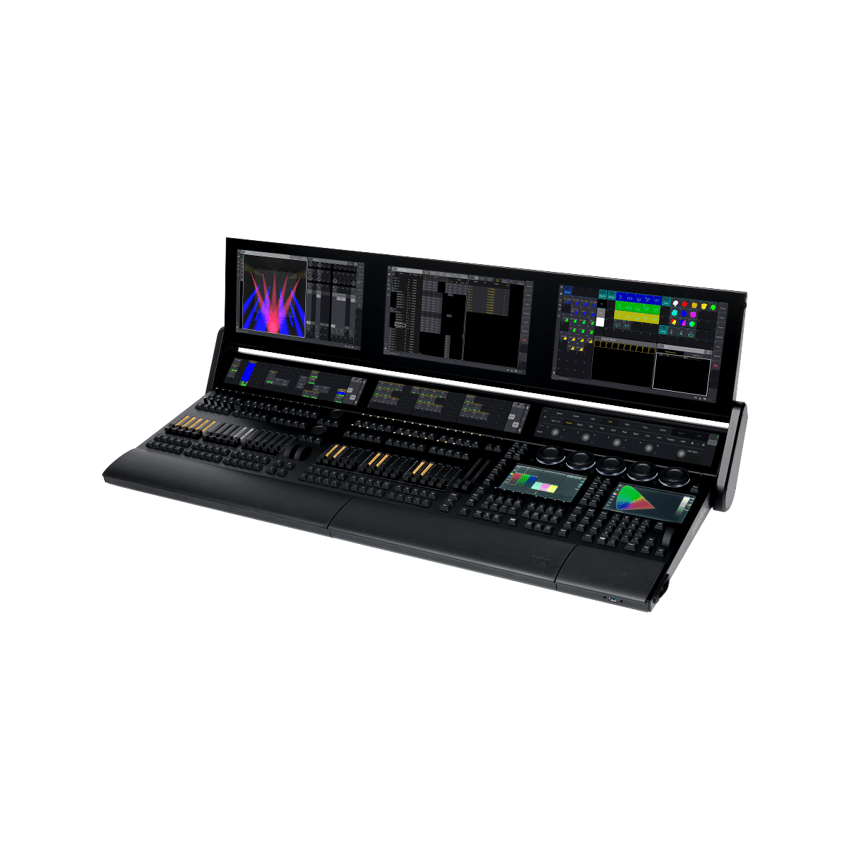
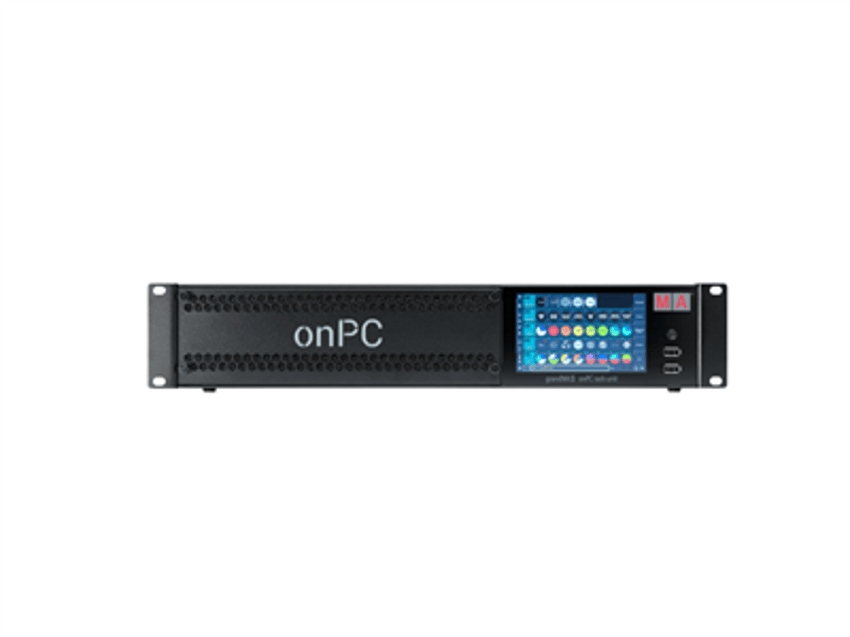
For project specification, the main questions are not only channel count or physical faders. Network capacity, backup workflow, protocol support and programming method all affect the final show. A grandMA3 setup can be planned around a compact onPC command surface, a grandMA3 Light or full-size desk, or a distributed system with processing nodes, depending on the venue and production format. In theatres, cue stacks and tracking behaviour need careful attention. In touring or broadcast environments, speed of operation and show file portability often weigh more heavily.
The brands in our lighting consoles range
This range is built around one platform: grandMA3, the de facto standard for professional entertainment lighting control.
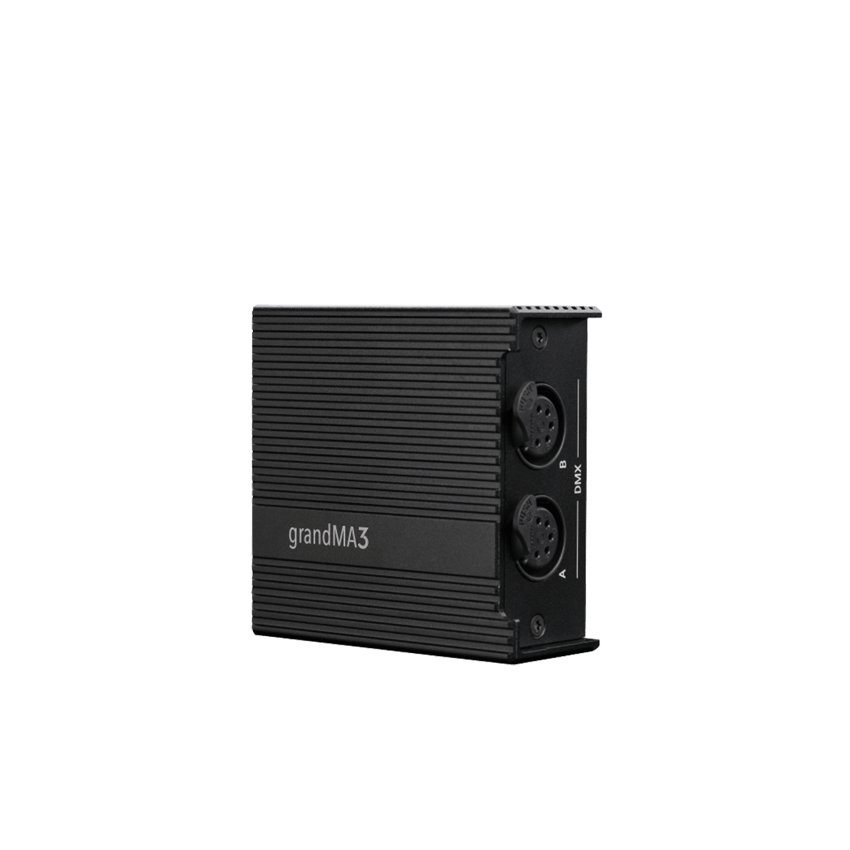
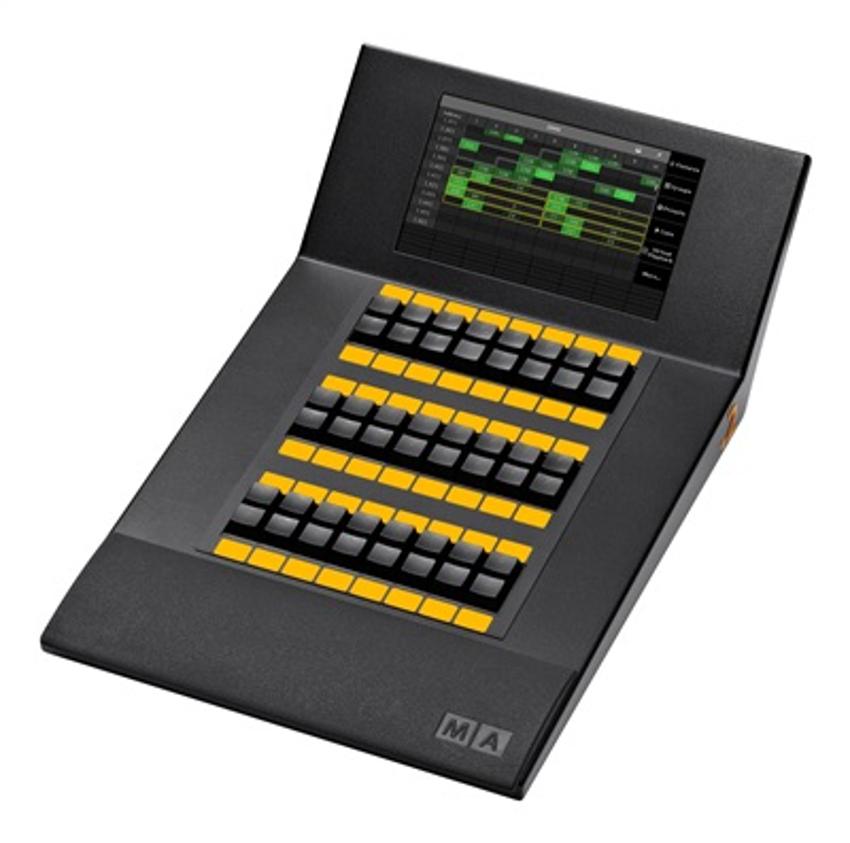
- MA Lighting: grandMA3 consoles in full-size, light and onPC configurations, plus processing nodes and network hardware for distributed control systems.
Specifying lighting consoles for AV projects
A console specification should be matched with fixtures, DMX distribution, Ethernet switches, nodes and operator positions. For larger venues, redundant network paths and clear separation between control traffic and other AV data reduce operational risk. Front-of-house location, rack space and cable routes belong in early drawings, because they affect daily use as much as the desk itself. For the broader system context, explore our complete lighting solutions portfolio.