
Rigging and motion

Rigging and motion:
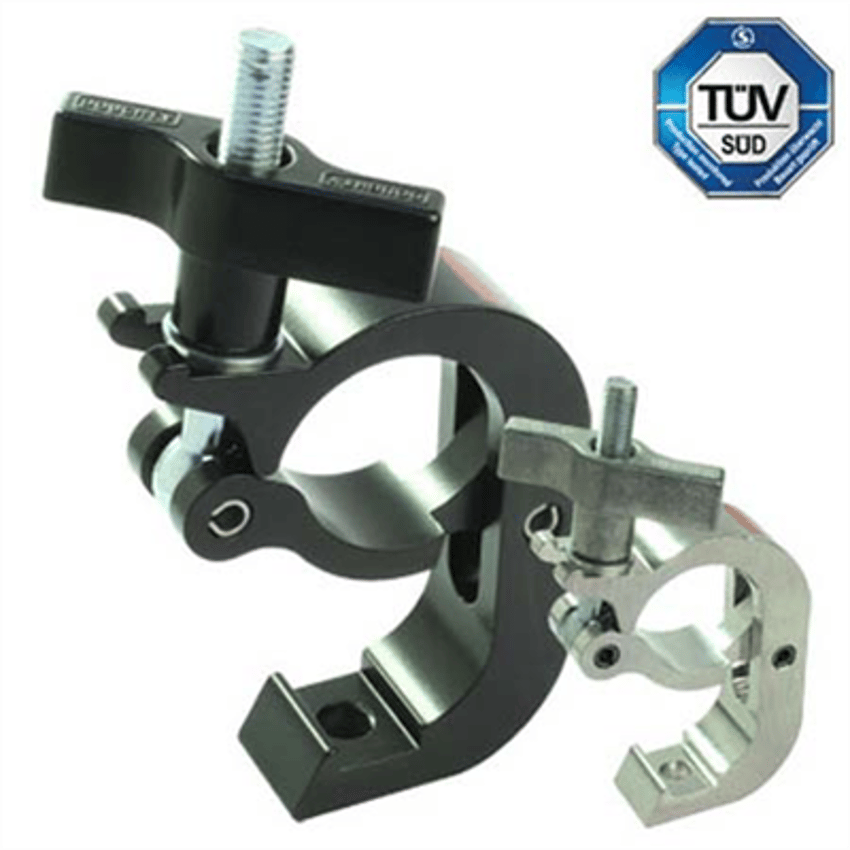
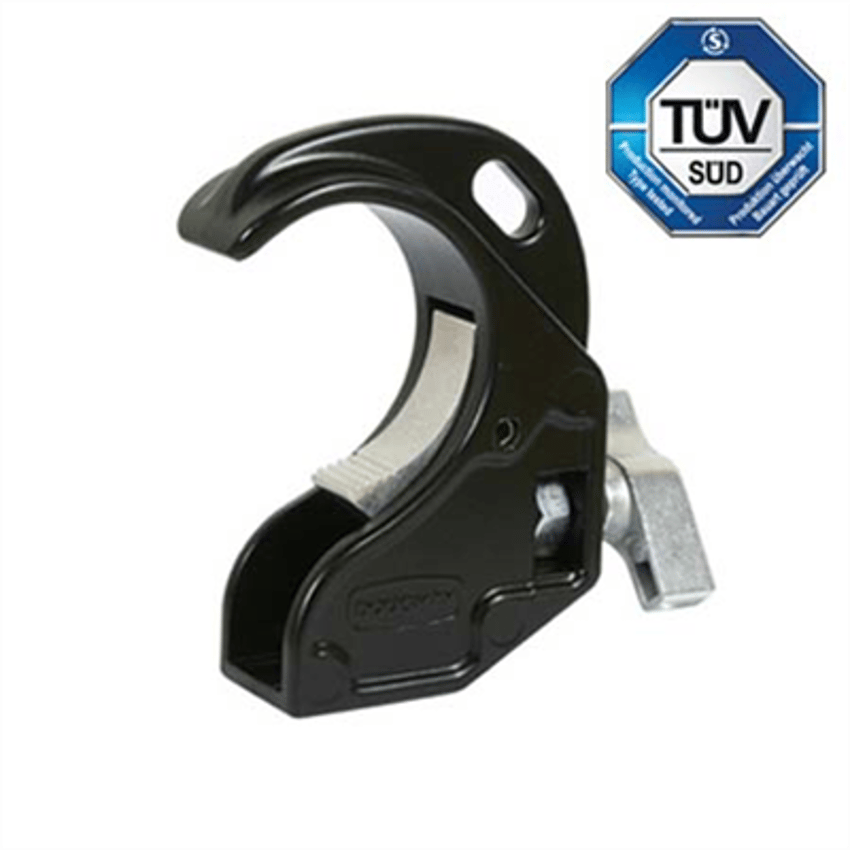
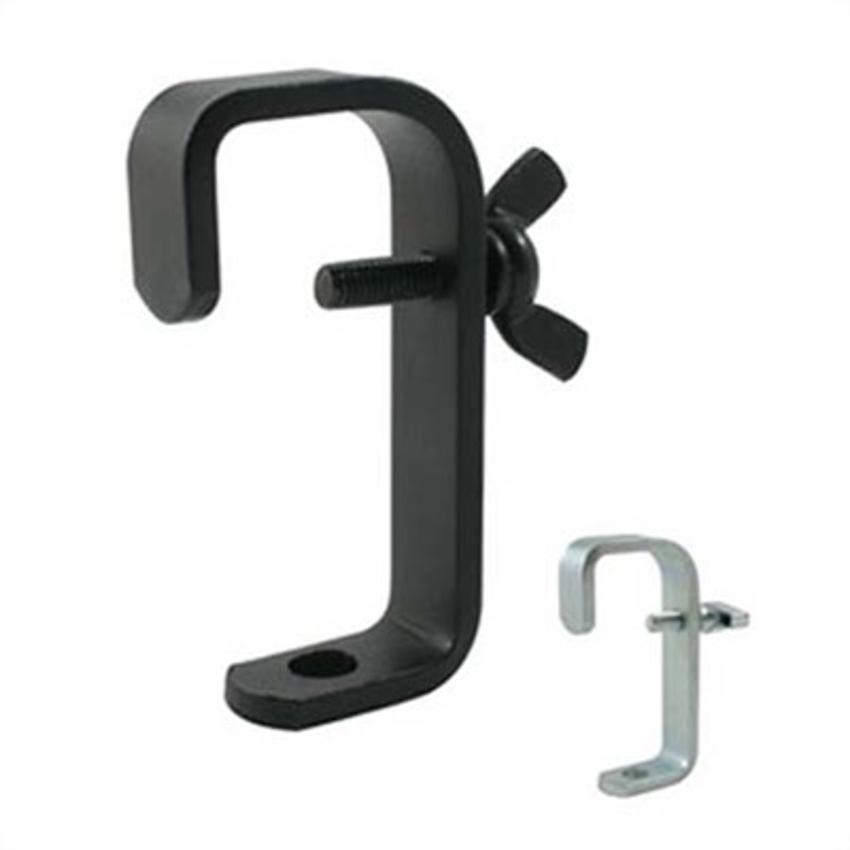
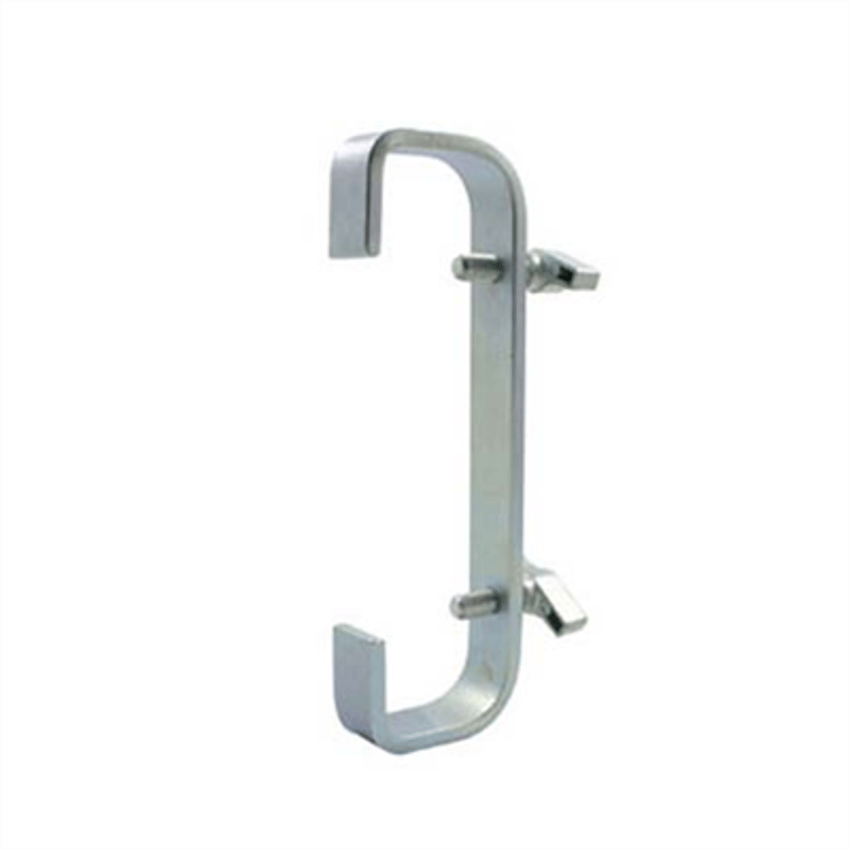
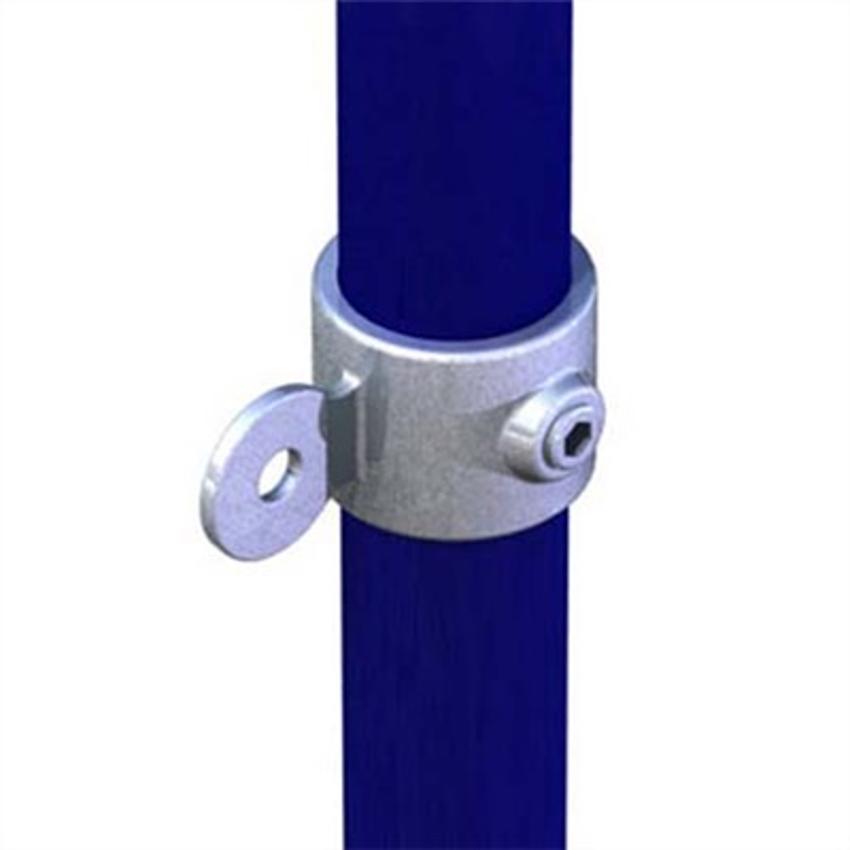
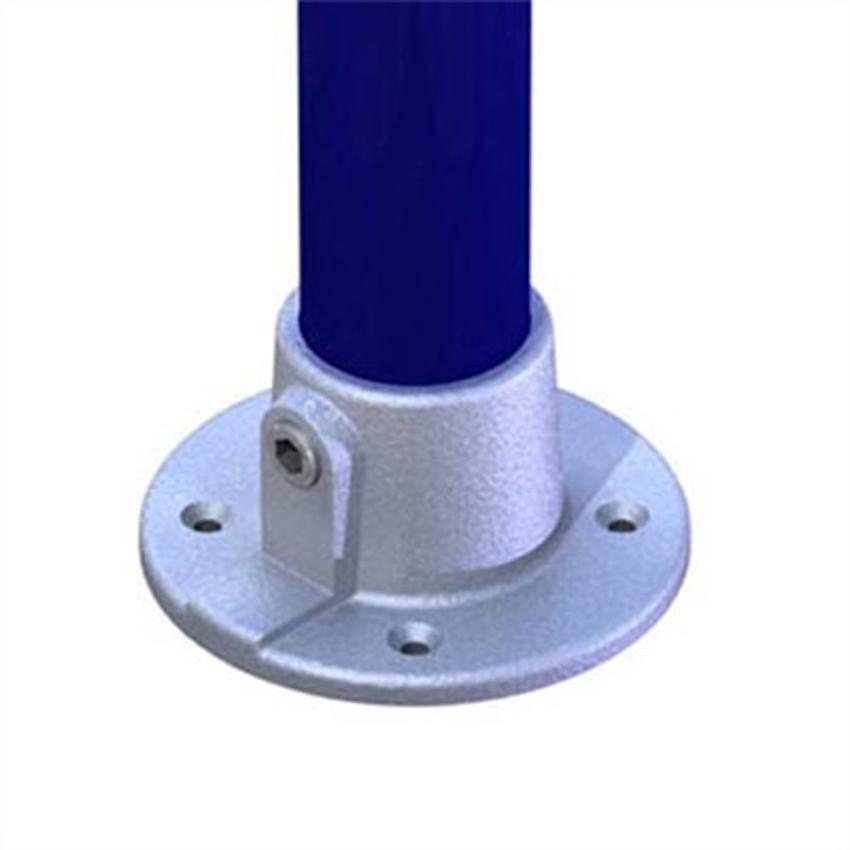
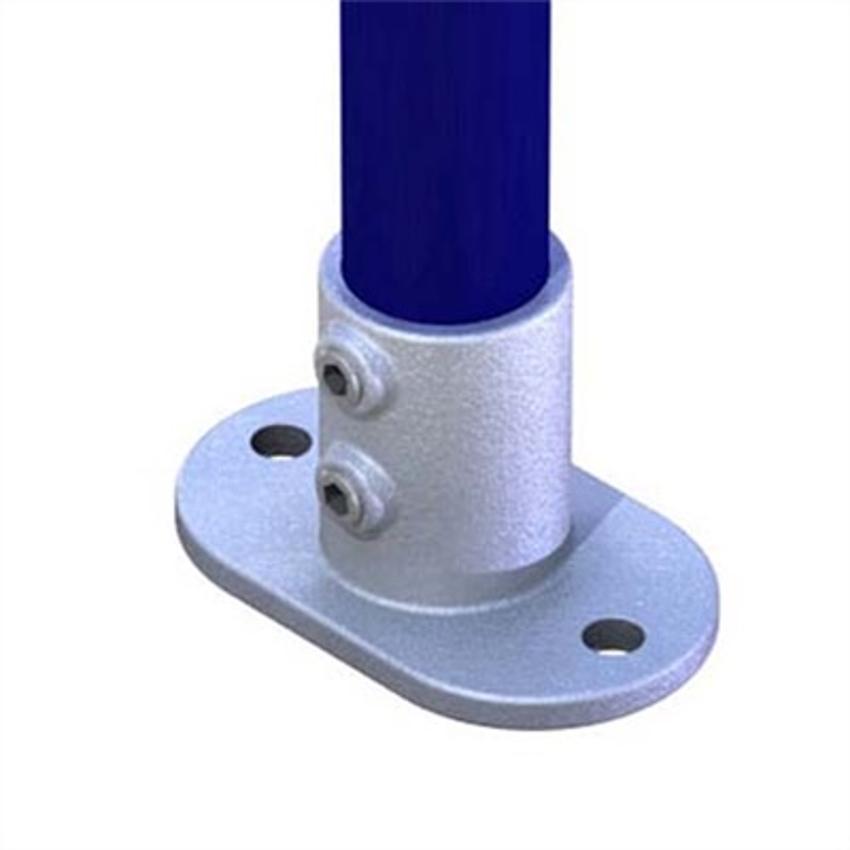
Rigging and motion products support the physical side of professional lighting, staging and AV systems. For integrators, installers and system designers, this category covers the components that keep fixtures, truss elements, scenic pieces and suspension points mechanically controlled. The specification is not only about fit. It also concerns working load, mounting geometry, adjustment range and how each part behaves once the system is installed above people or equipment.
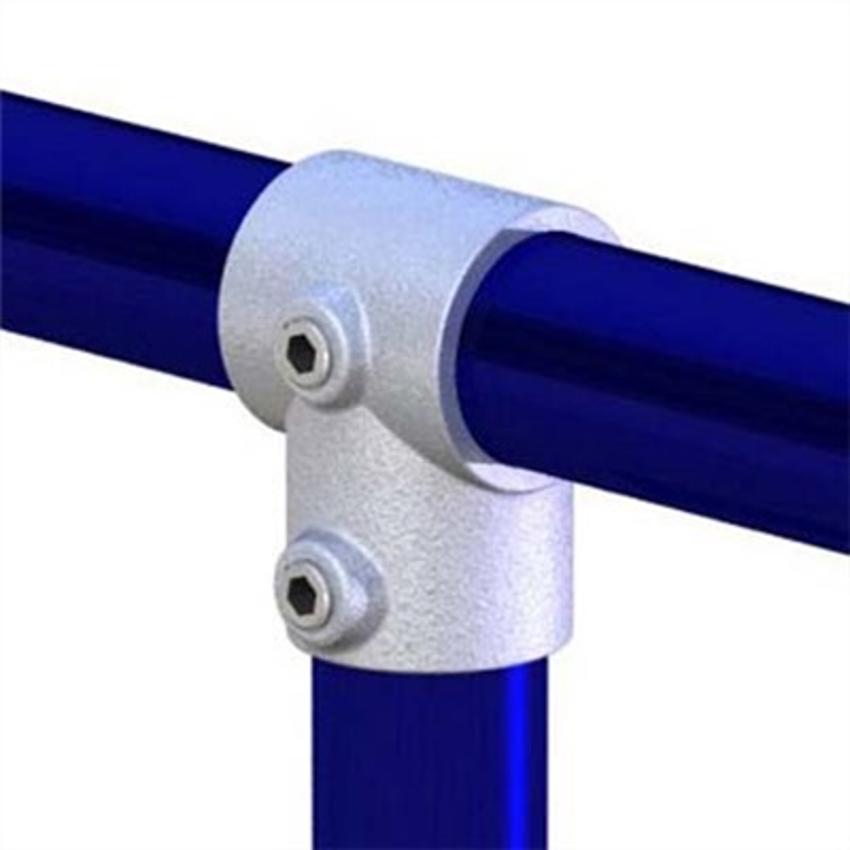
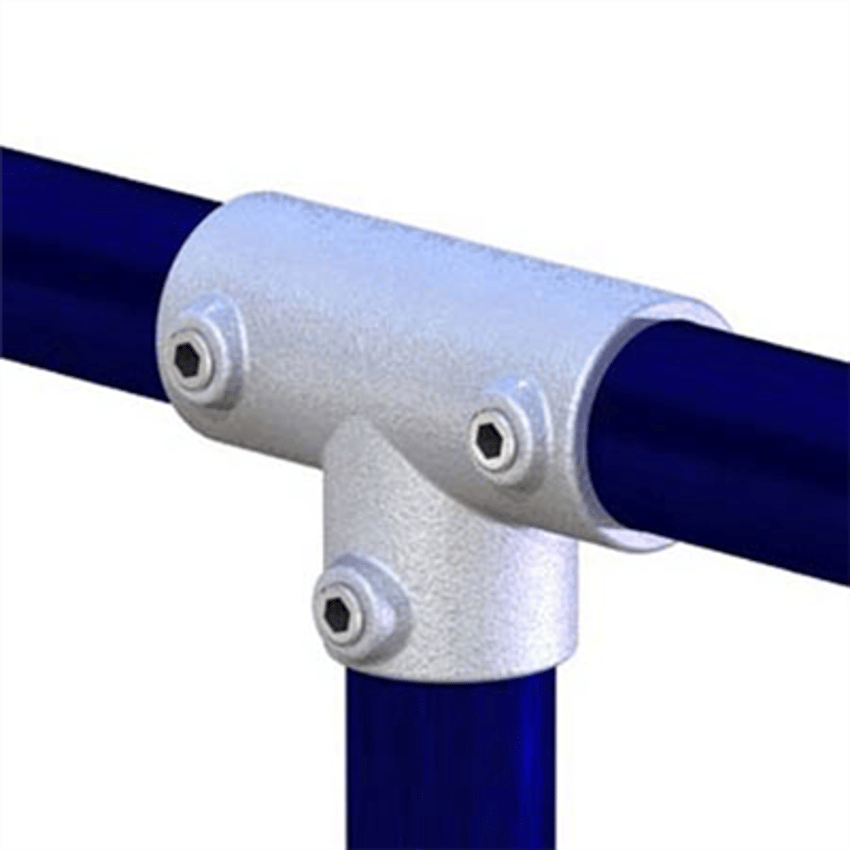
This category sits apart from luminaires, controllers and power distribution because it deals with the hardware inbetween the building, the mounting structure and the equipment being installed. Clamps, couplers, adapters, brackets and lifting accessories must be selected according to tube diameter, load direction, fixing method and local safety practice. Motion-related elements add another layer, since moving or adjustable assemblies require predictable travel, secure locking and clear service access after handover.
Mechanical details that affect the installation
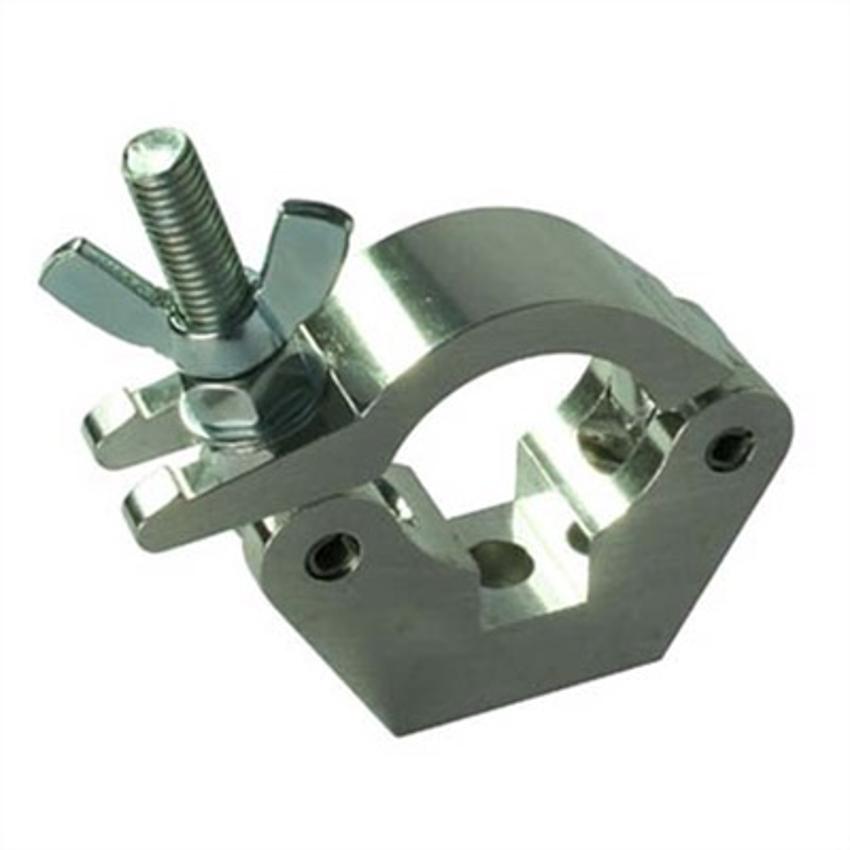
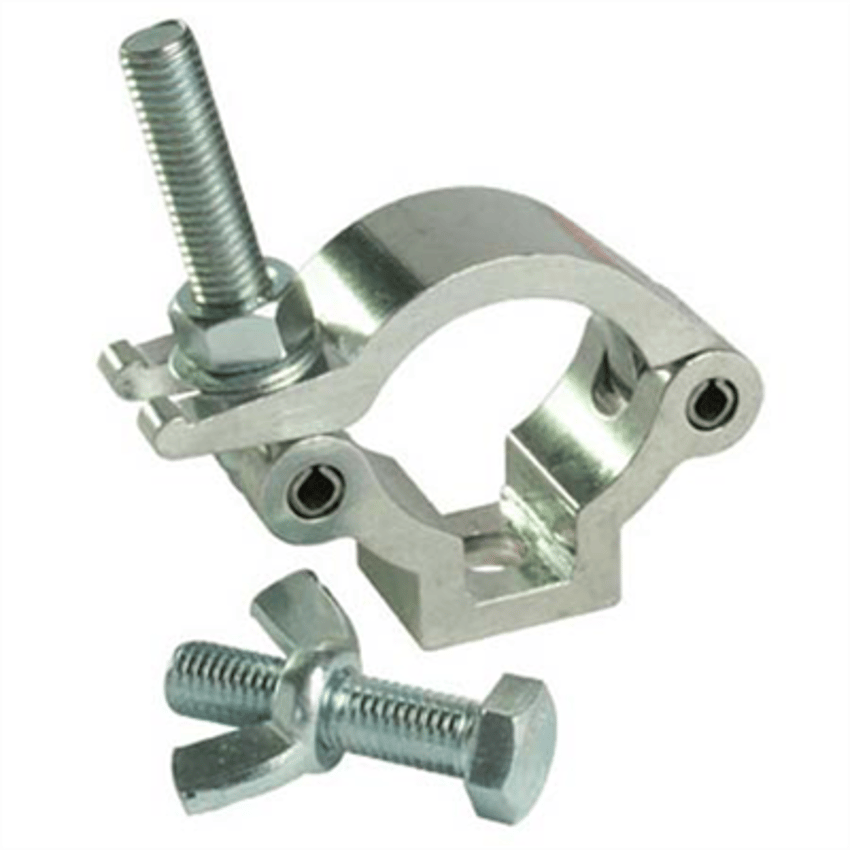
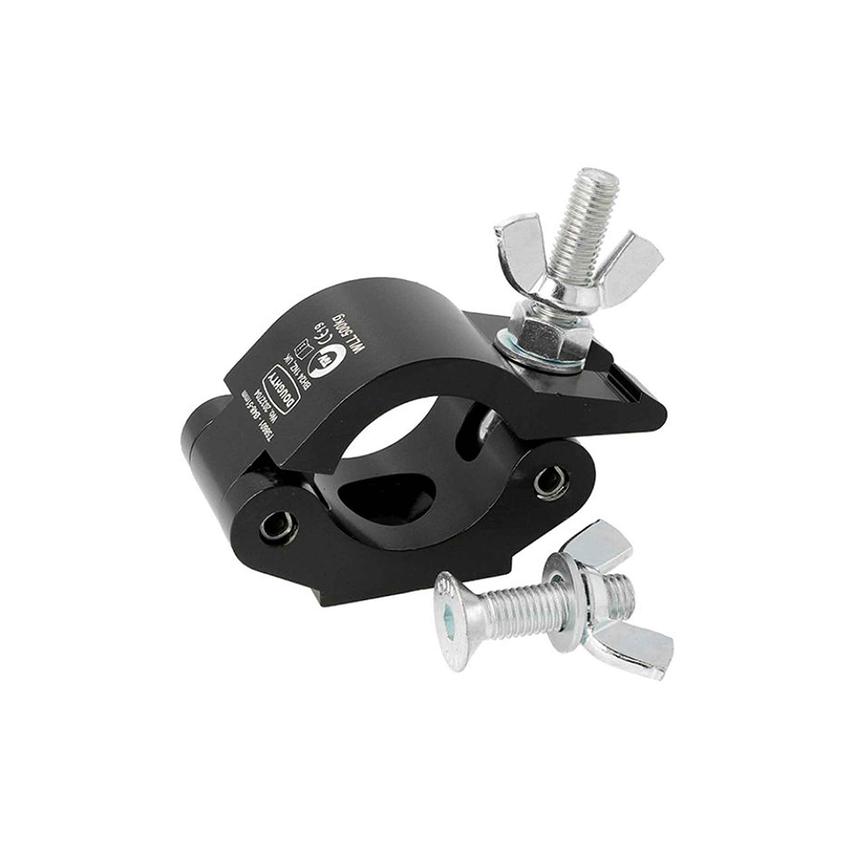
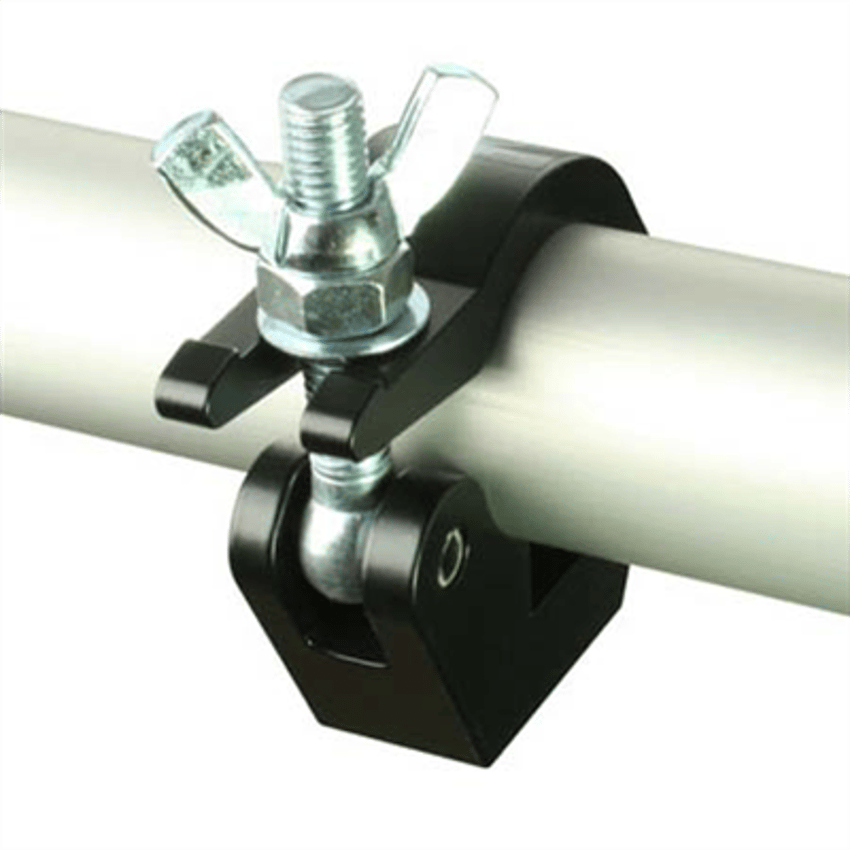
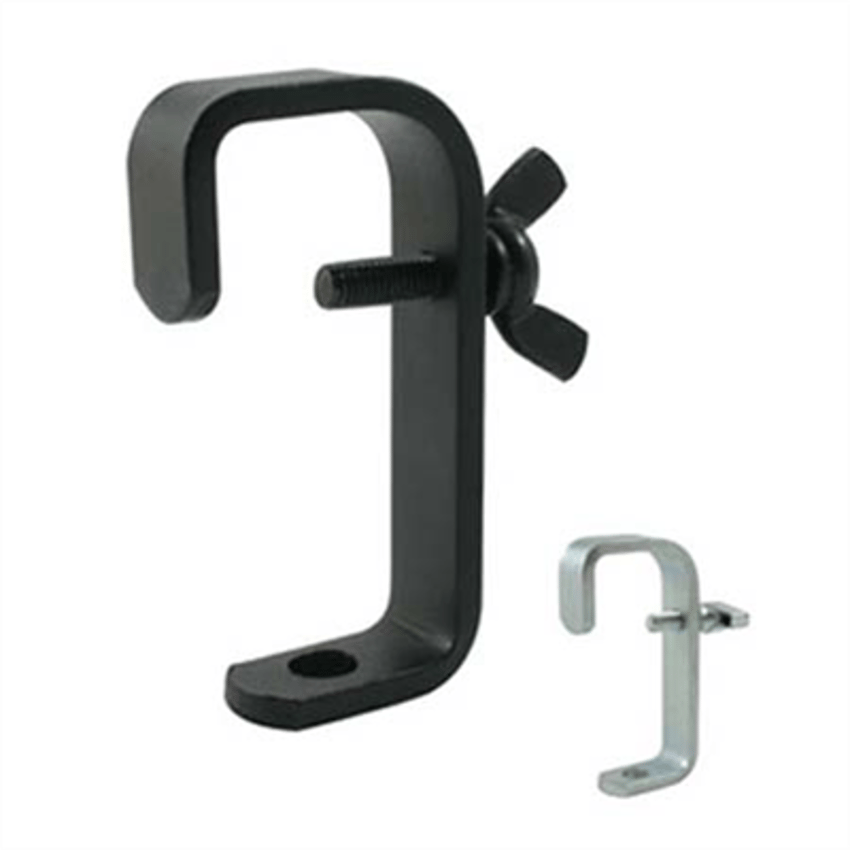
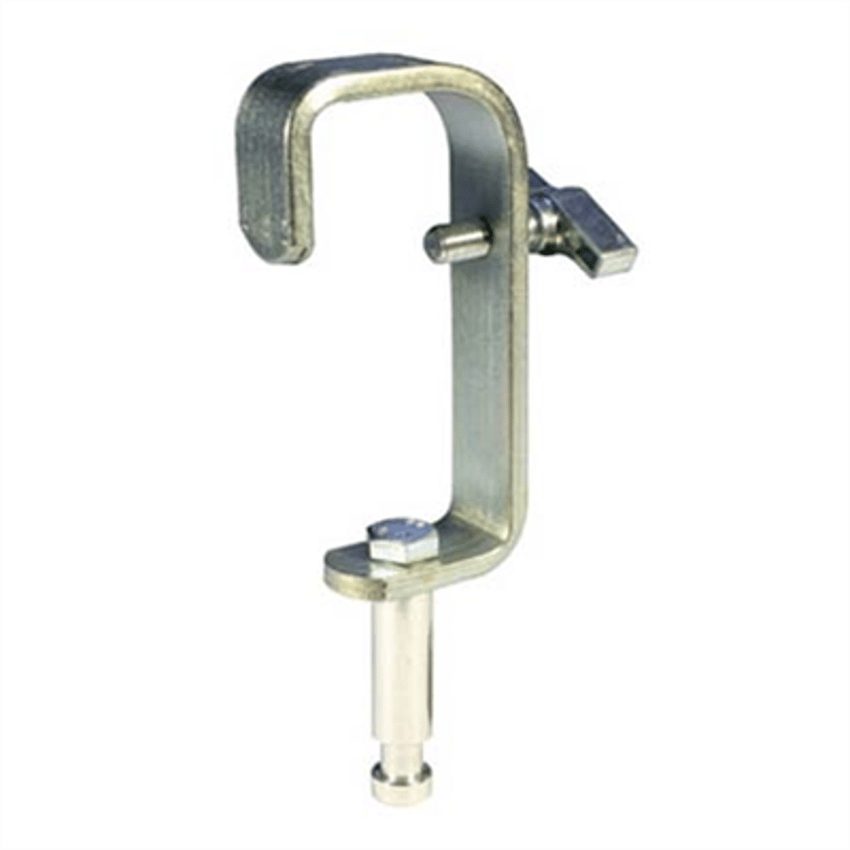
Good project specification starts with the structure. A pipe clamp for a temporary truss grid has different requirements from a wall-mounted bracket in a fixed auditorium, while a studio grid often needs fast repositioning without damaging the support surface. Finish matters as well. Black hardware disappears in theatre ceilings and broadcast spaces, while aluminium or zinc-plated parts may be more suitable where handling wear is expected. The critical checks are practical: diameter match, load rating, secondary safety provision, compatibility with the fixture yoke and the space available for tools during installation.
The brands in our rigging and motion range
The selection below focuses on mechanical parts used around lighting and stage infrastructure:
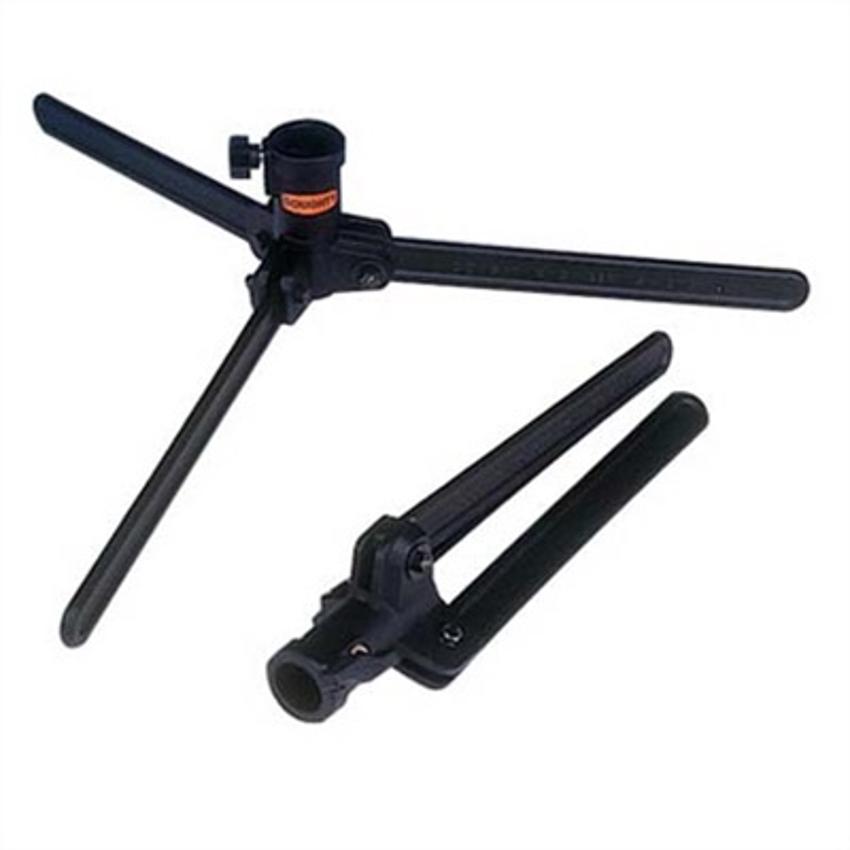
- Doughty: Clamps, couplers, brackets and theatre hardware for suspending and positioning professional lighting equipment.
Specifying rigging and motion for AV projects
These components are usually specified together with truss, lighting fixtures, safety bonds, hoists, control cabling and power distribution. In fixed installations, coordinate attachment points with the structural engineer before final product selection, then document the load path and maintenance access in the project file. In rental or multipurpose venues, prioritise repeatable mounting positions and hardware that technicians can identify quickly on site. For the broader installation context, explore our lighting solutions portfolio.