
Switchers



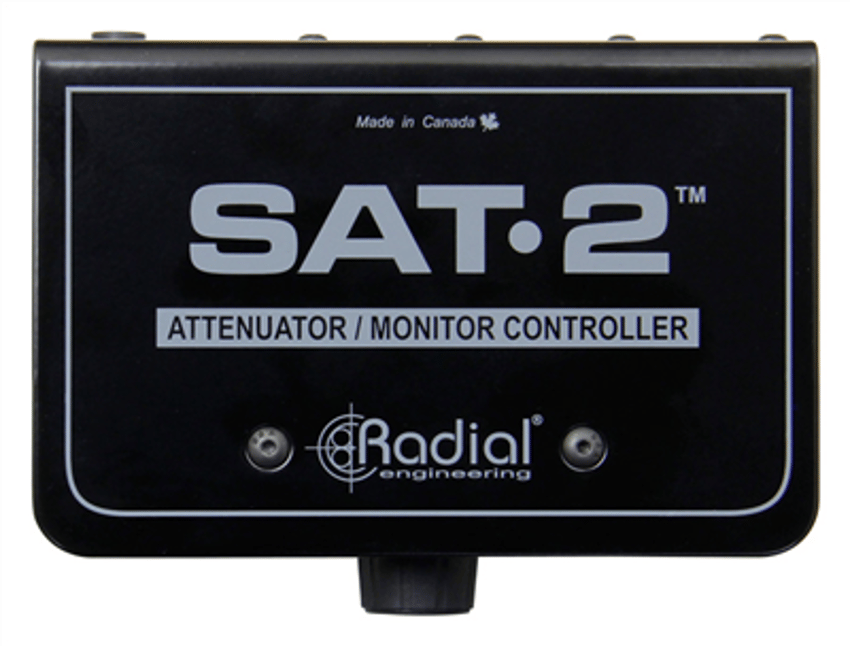
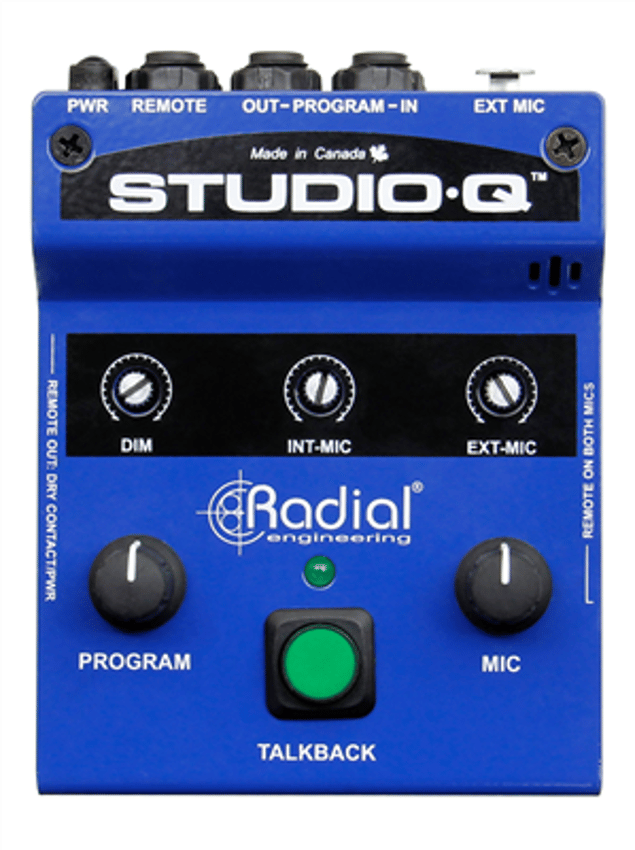


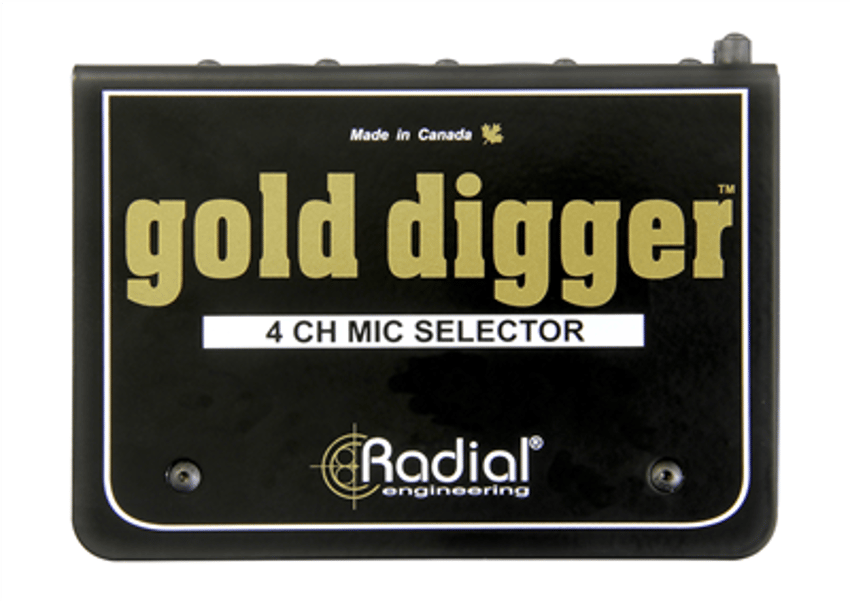
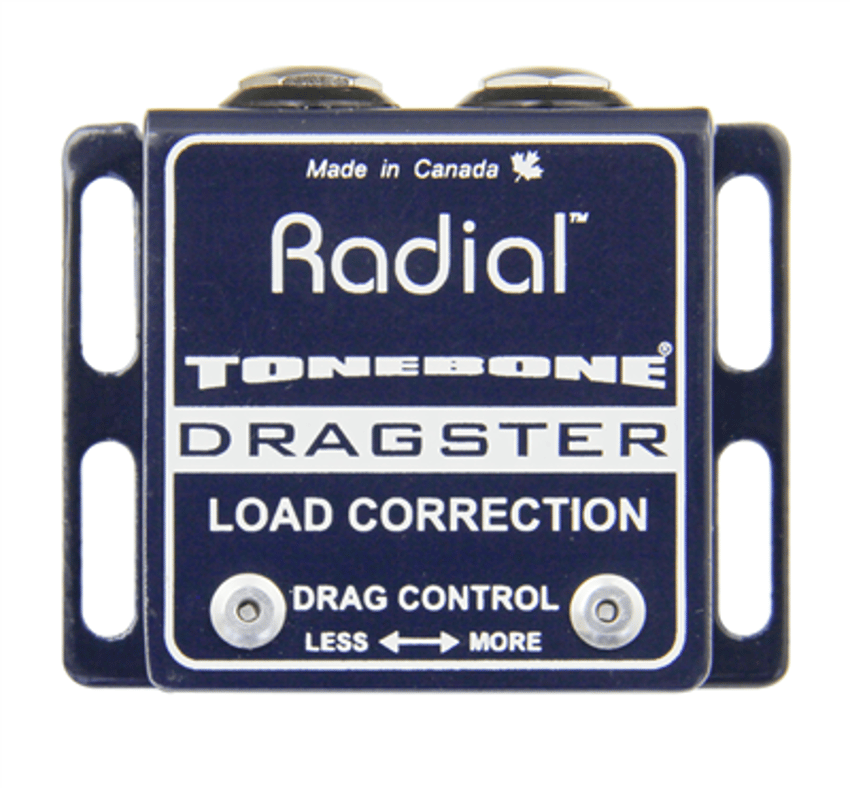


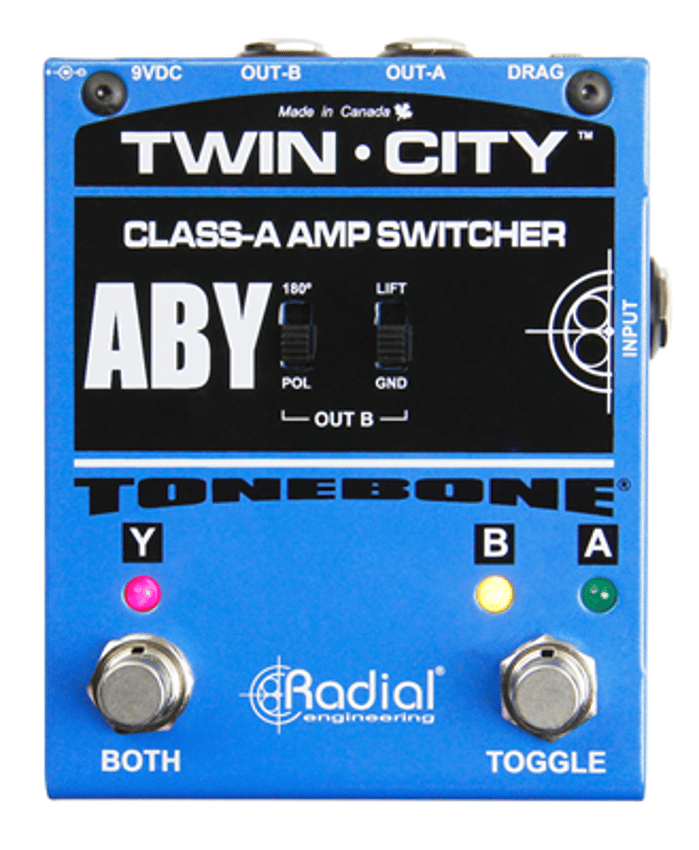


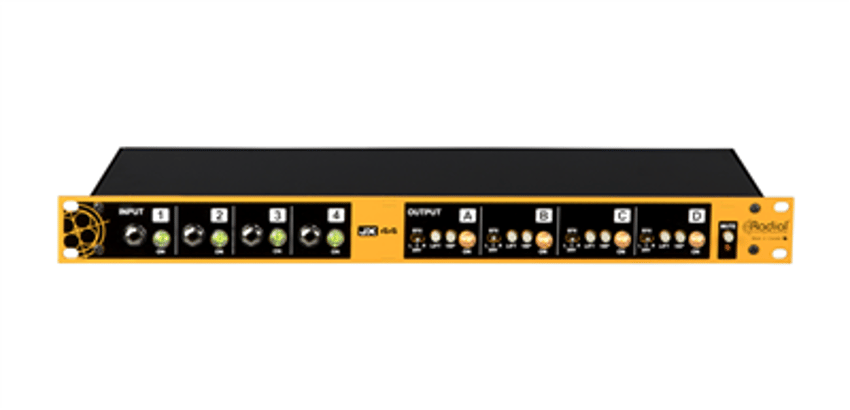

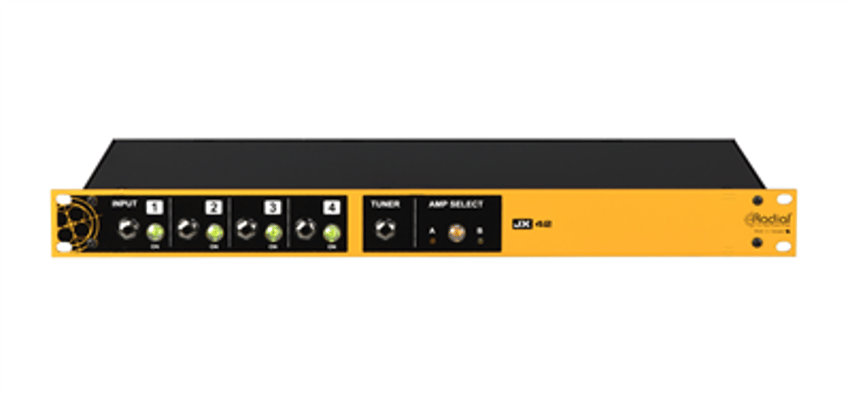

Switchers: controlled source routing
Switchers are used where several instruments, amplifiers or signal paths need to be selected without repatching. In a pro context, they are relevant for studio installations, backline systems, rehearsal facilities and technical rooms where fast, repeatable routing is part of the system brief. They keep the physical signal path clear, reduce connector wear and make changeovers more predictable for technicians and users.
This category sits between passive patching and full matrix routing. A patchbay gives access to fixed connection points, while a digital matrix is usually specified for larger distribution tasks. Audio switchers are more direct. They select between sources, heads, cabinets or control functions at instrument and line level, often with attention to impedance, ground reference and isolation. For guitar-based systems, that distinction matters because loading, hum and amplifier safety can become audible or operational issues.
Source selection and amplifier control in fixed setups
Products such as the Radial JX-42 are designed for multi-guitar rigs where several instruments feed a controlled output path. Headbone models address amplifier head selection, including valve amplifier applications where correct load handling is essential. Footswitch and remote units such as the JR-2 support practical control from the performance position or technical area. These units are often specified with DI boxes, reamp devices, balanced cabling and rack panels so the final installation remains serviceable after handover.
The brands in our switchers range
The selection is focused on routing hardware for instrument-level and amplifier-related signal paths.
- Radial: Offers guitar, amp and remote switching tools including JX, Tonebone Headbone, Headlight and JR control units.
Specifying switchers for AV projects
For project work, specify the switching point according to the signal type, the required control method and the equipment that must remain protected during changeover. Instrument-level routing should be planned with cable length and impedance in mind. Amplifier selection requires correct load paths and a layout that prevents unsafe operation. Remote control needs clear labelling and cabling that fits the rack or floor position. Combine these products with DI boxes, reamp interfaces, patch panels and balanced analogue infrastructure from the parent switchers category.