
Speaker stands










Speaker stands: Poles and stands
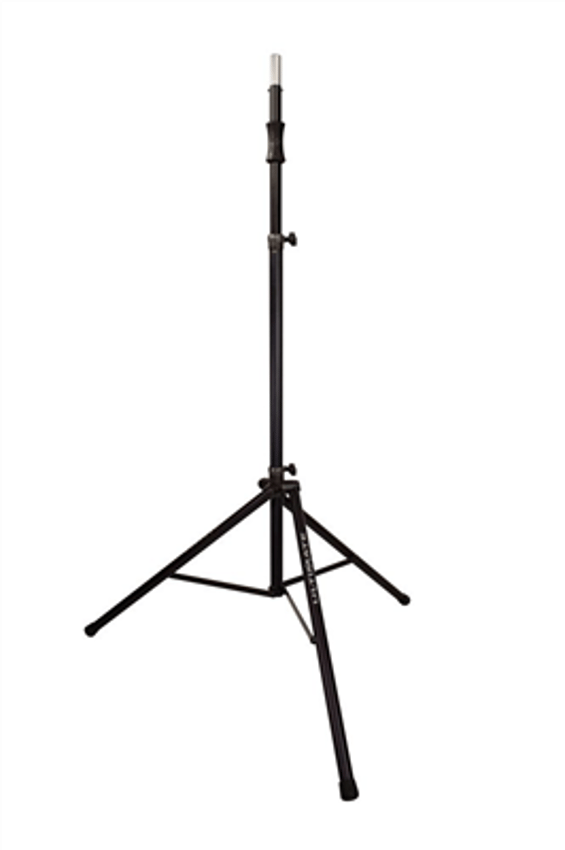
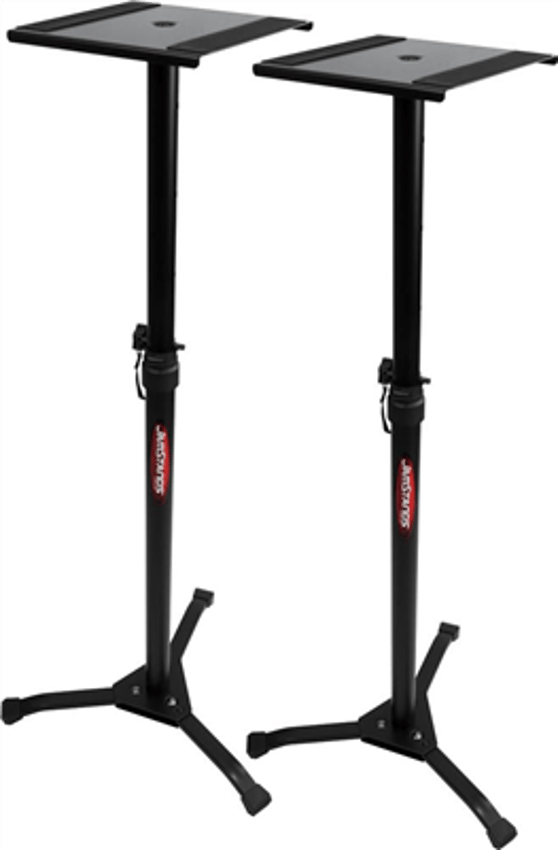
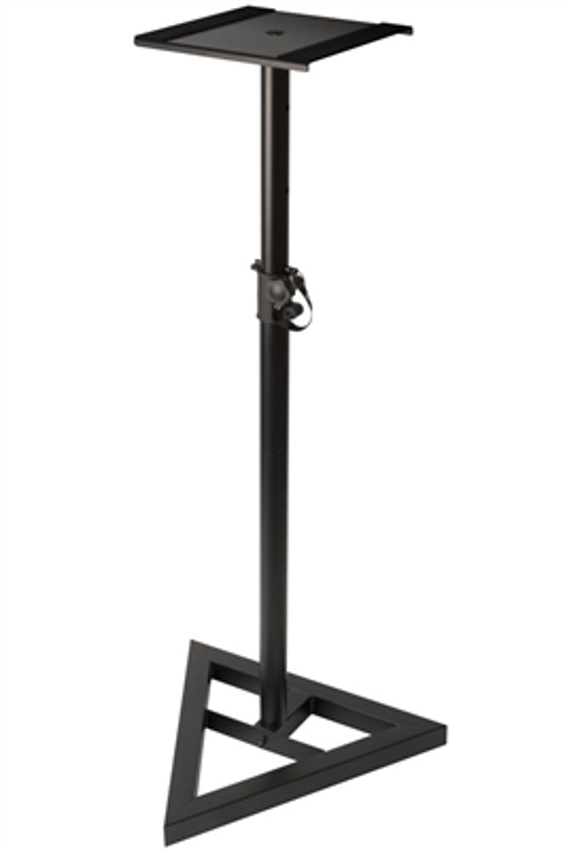
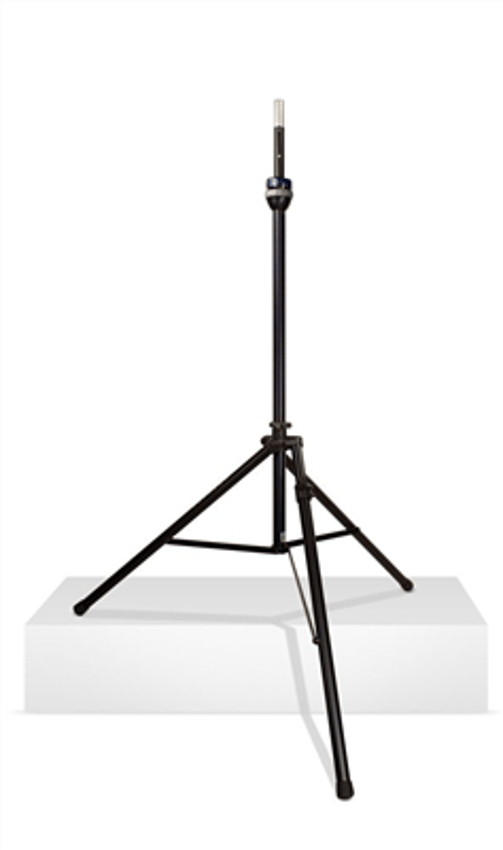
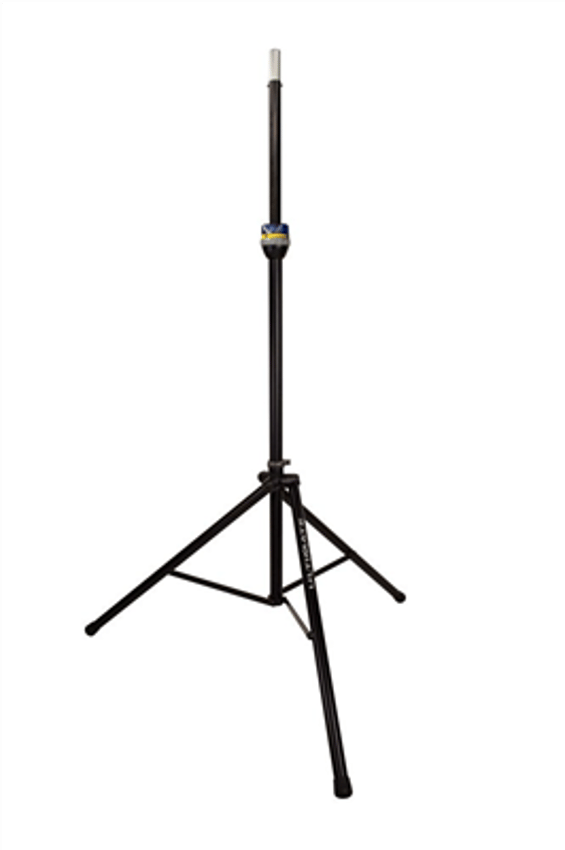
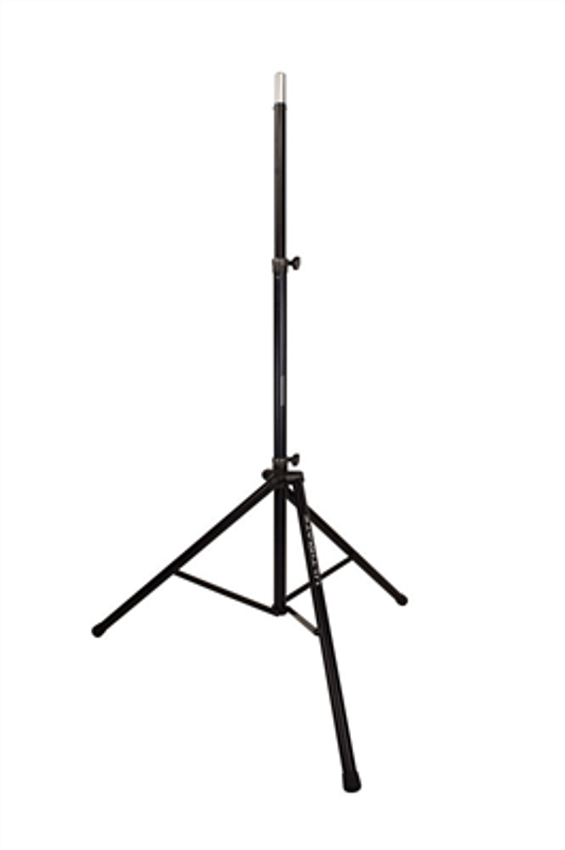
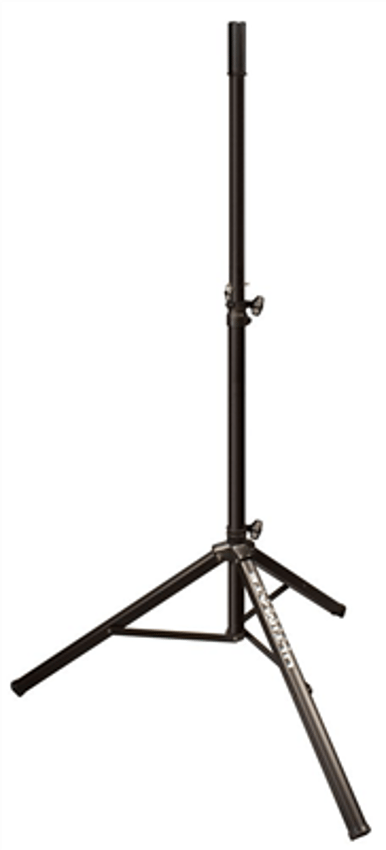
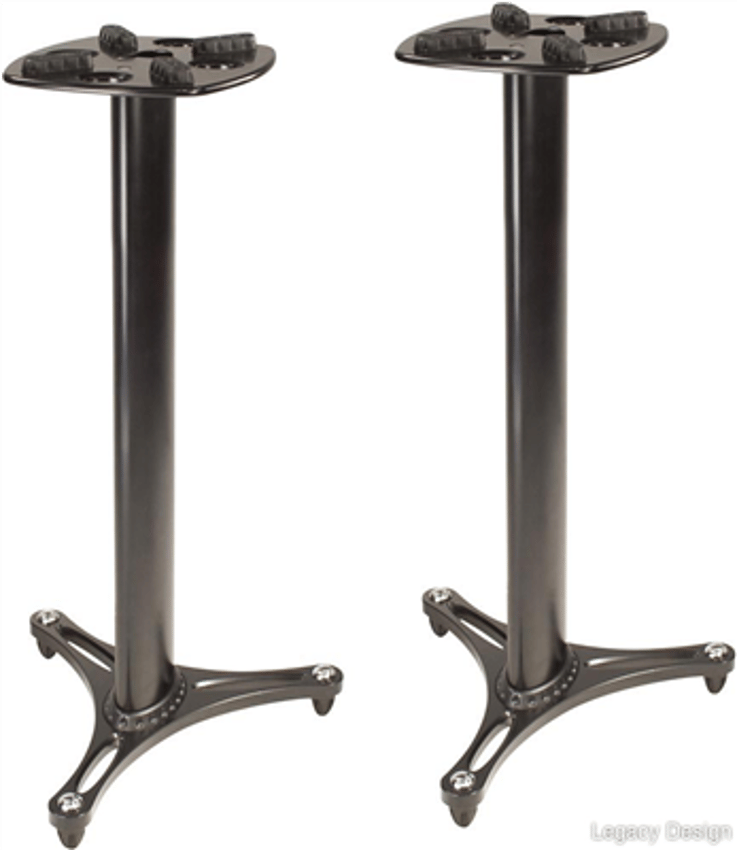
Speaker stands are used when loudspeakers need to be positioned at a controlled height without wall mounting, truss suspension or permanent rigging. In AV projects, they support portable sound systems, presentation rooms, multipurpose venues and temporary event setups where coverage and sightlines have to be balanced on site.
The main difference from microphone stands and lighting stands is load behaviour. A loudspeaker stand must handle vertical weight, lateral movement and centre-of-gravity changes when a cabinet is raised above head height. Tube diameter, locking design, base footprint and adapter fit are therefore part of the specification, not accessories to decide later.
Load, height and placement in system design
For integrators, the stand is part of the acoustic layout. Raising a full-range cabinet improves projection over seated or standing audiences, but it also changes cable routing, trip risk and access for adjustment. Tripod models are common for mobile systems, while crank-assisted or heavier-duty designs help when larger cabinets need repeatable positioning. Pole diameter matters too. A mismatch between loudspeaker socket and support hardware can create mechanical play, even when the rated weight appears correct on paper.
The brands in our speaker stands range
The selection covers support hardware for portable PA, installation support kits and loudspeaker systems that require matching accessories.
- Dynacord: Support solutions matched to professional loudspeaker and portable sound system use.
- Electro-Voice: Stands and accessories specified for use with compatible full-range loudspeaker cabinets.
- Jamstands: Tripod support hardware for portable PA setups, rehearsal spaces and event use.
- Peavey: Loudspeaker support products suited to mobile sound reinforcement and installed audio support.
- Ultimate Support: Height-adjustable speaker support hardware with practical handling features for repeated setup.
Specifying speaker stands for AV projects
Check cabinet weight, socket diameter, working height and room layout before selecting support hardware. Combine these products with loudspeakers, signal cabling, power distribution and transport cases when the system has to move between rooms or venues. For the broader support hardware picture, explore our speaker stands range.