
Wireless DMX


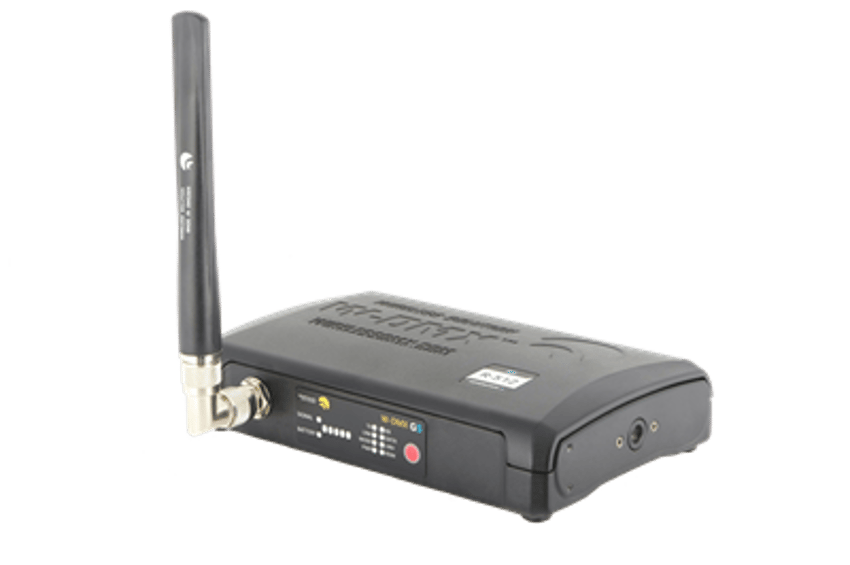
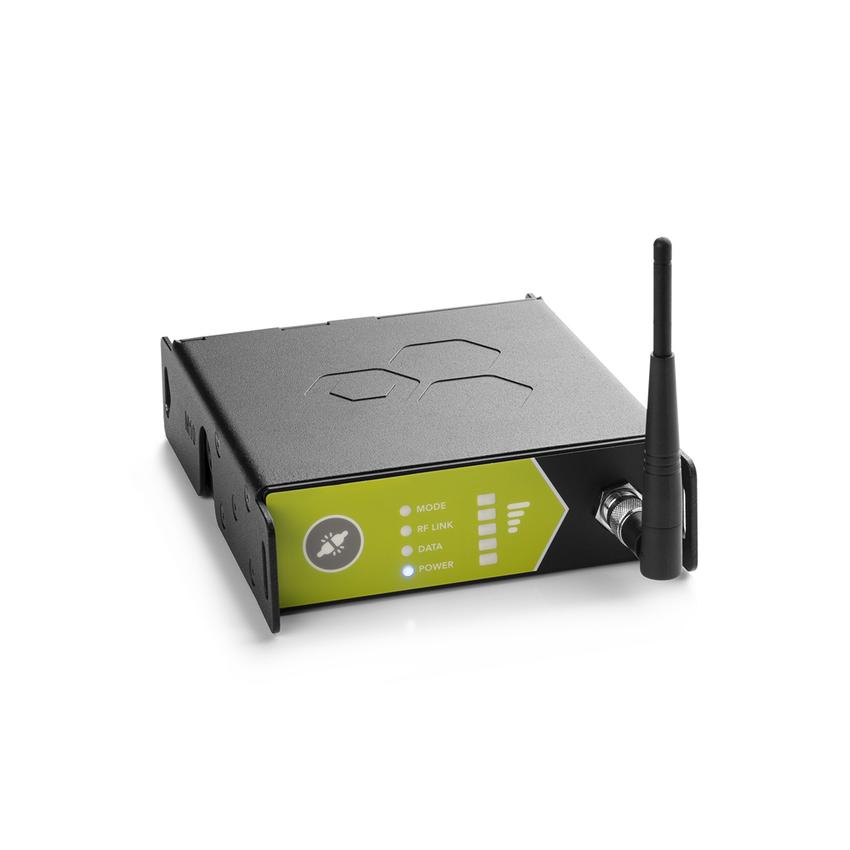
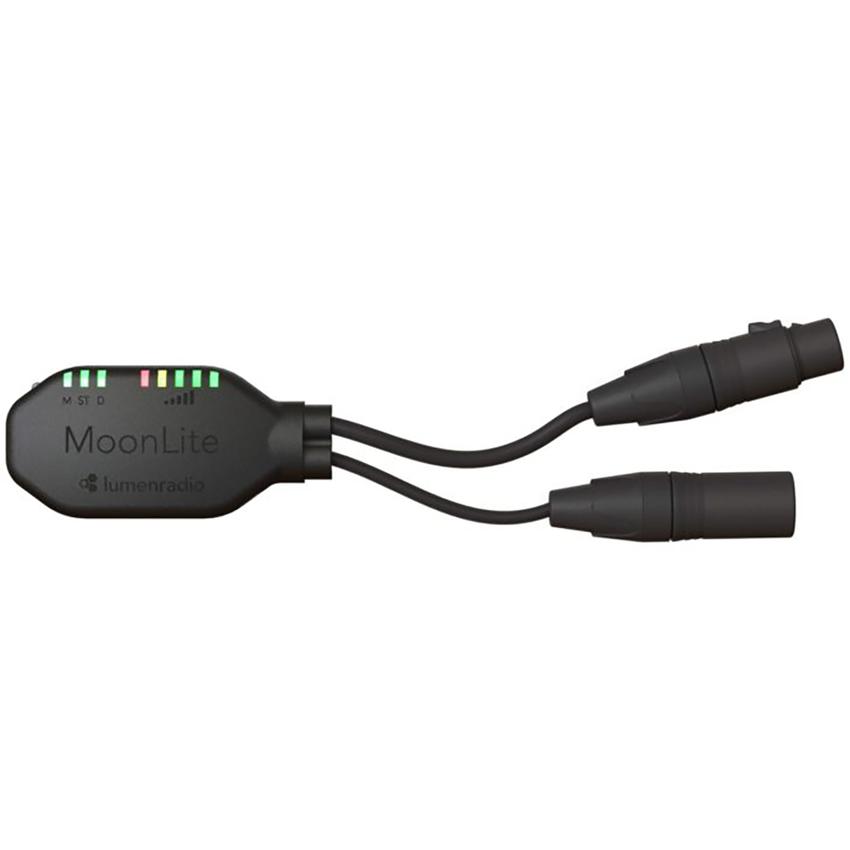
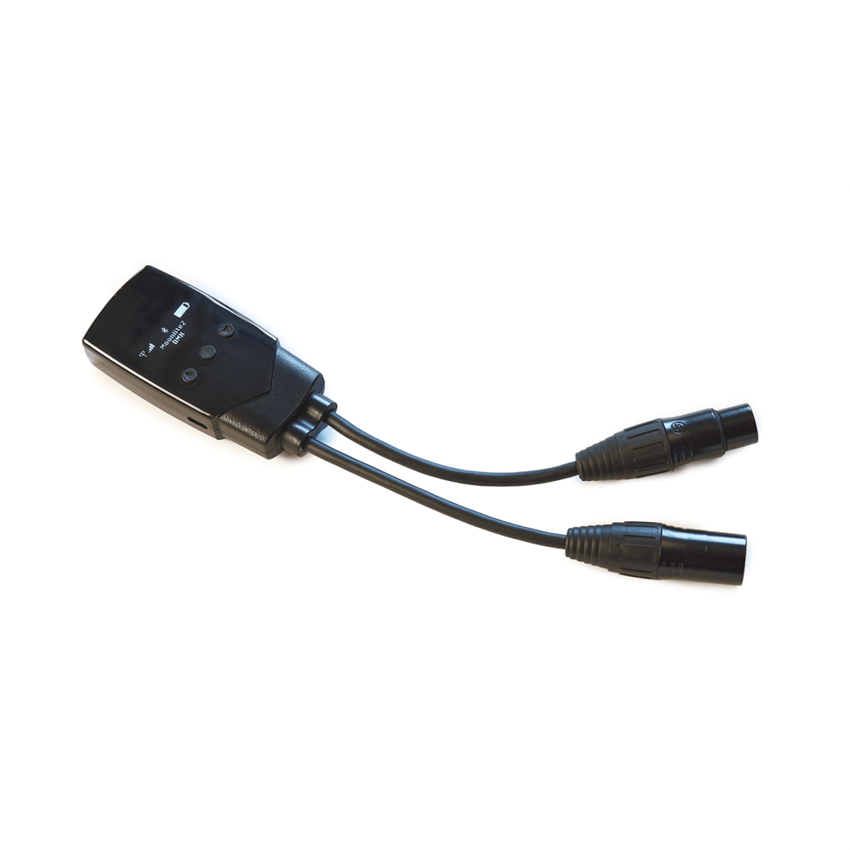
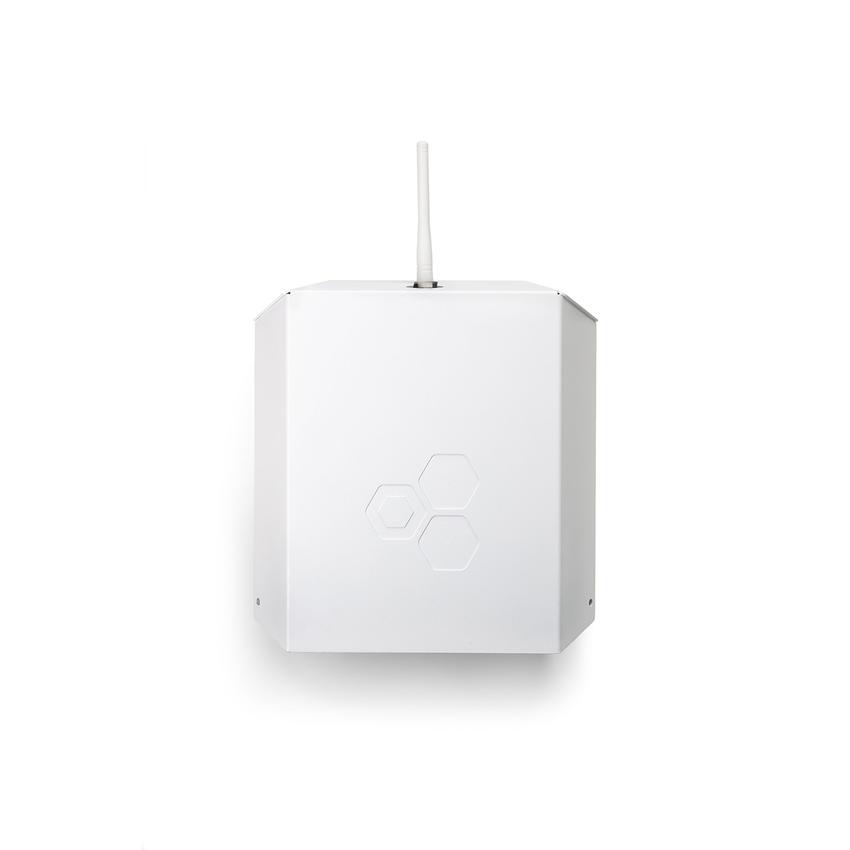
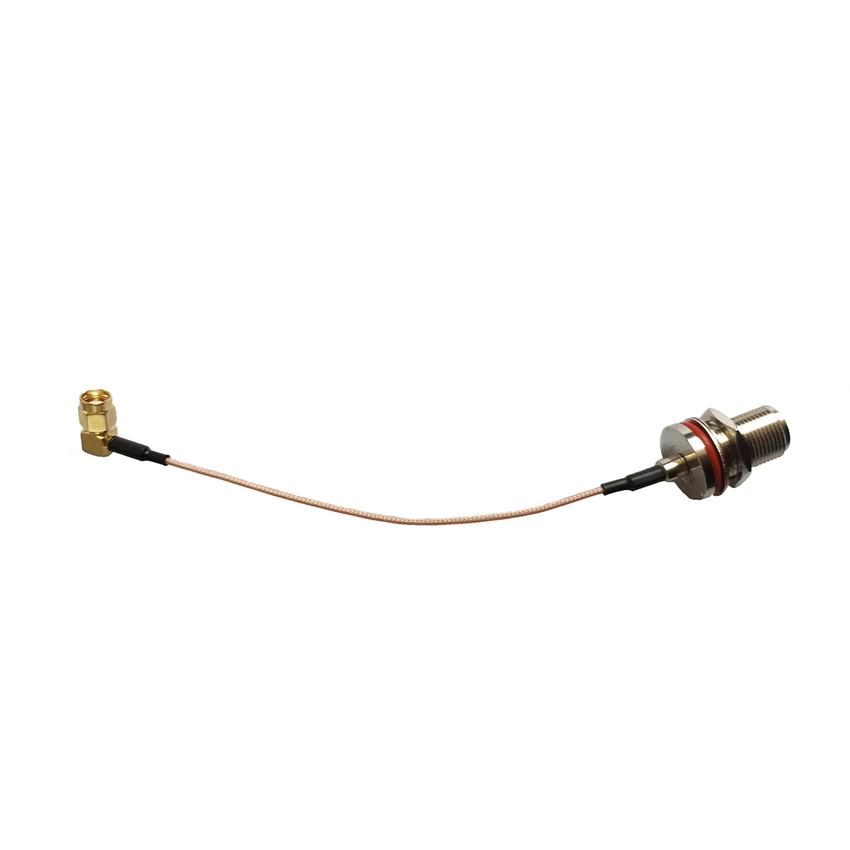
Wireless DMX:
Wireless DMX is used when lighting control needs to cross a room or stage without a physical cables. For AV integrators, installers and system designers, it solves a practical problem while keeping control separate from the power infrastructure. It is most relevant in venues where cabling is difficult, too visible or regularly reconfigured.
This category differs from standard DMX cabling and network nodes because the critical design work shifts from cable topology to radio planning. Line of sight, antenna placement, fixture density, transmitter position and local RF traffic all affect the result. A specified system should account for DMX universe count, RDM requirements, indoor or outdoor mounting, power availability at the receiver side and the distance between control source and controlled load.
Designing reliable control paths without extra data cable
A wireless link is not a replacement for every control line. It is a tool for locations where a wired route adds installation time, structural work or visible cable paths. In fixed projects, it can connect lighting positions across atriums, heritage interiors or glass-heavy spaces where drilling and conduit are restricted. In production environments, it reduces turnaround time between layouts while keeping the console workflow familiar. The best results come from treating the radio segment as part of the signal design, with clear antenna orientation and documented transmitter-to-receiver mapping.
The brands in our wireless DMX range
The selection focuses on W-DMX based transmission hardware and accessories for professional lighting control:
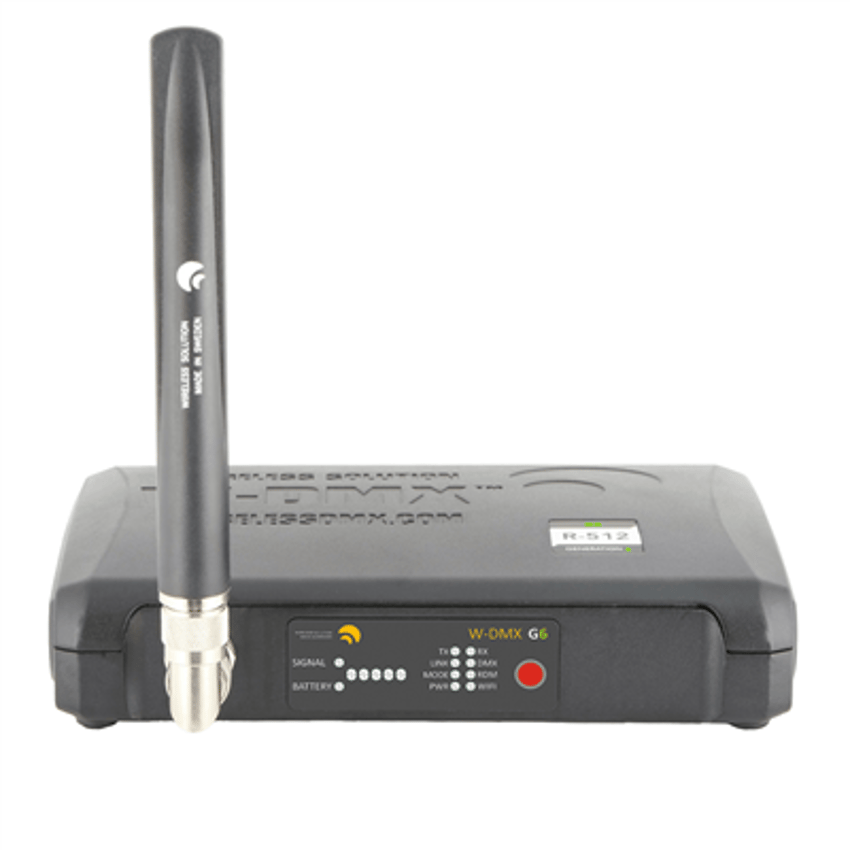
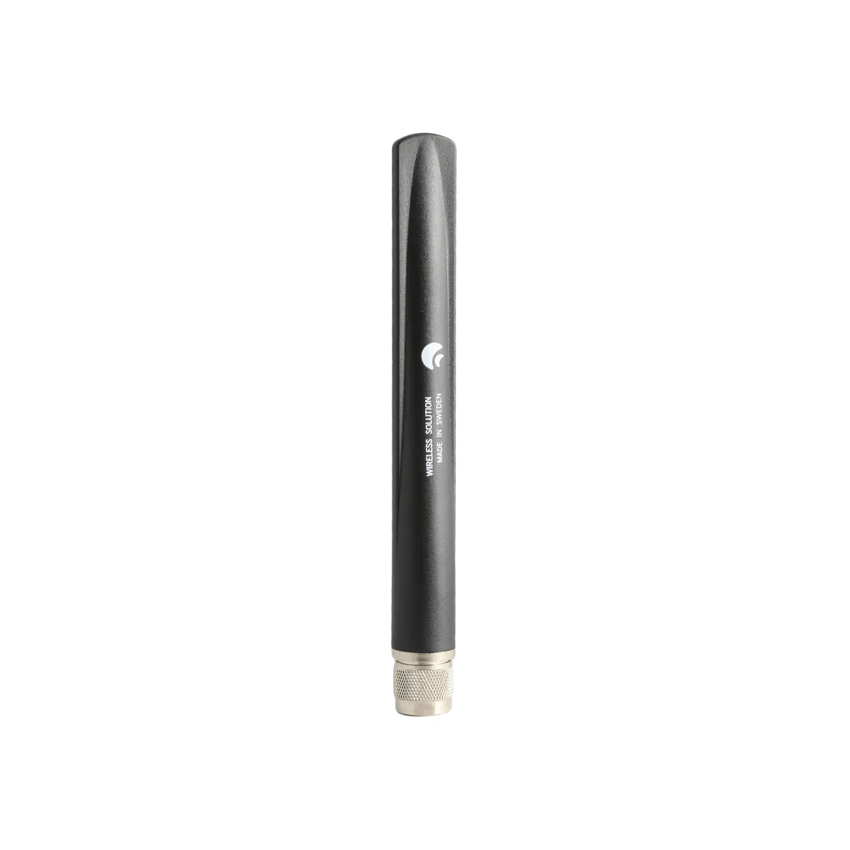
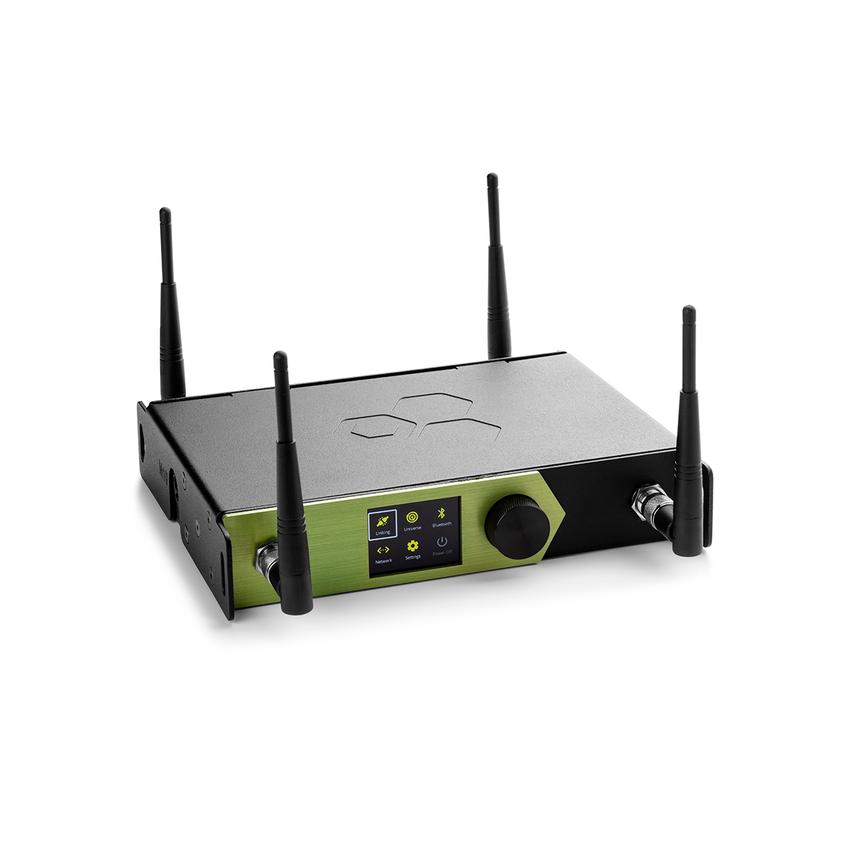
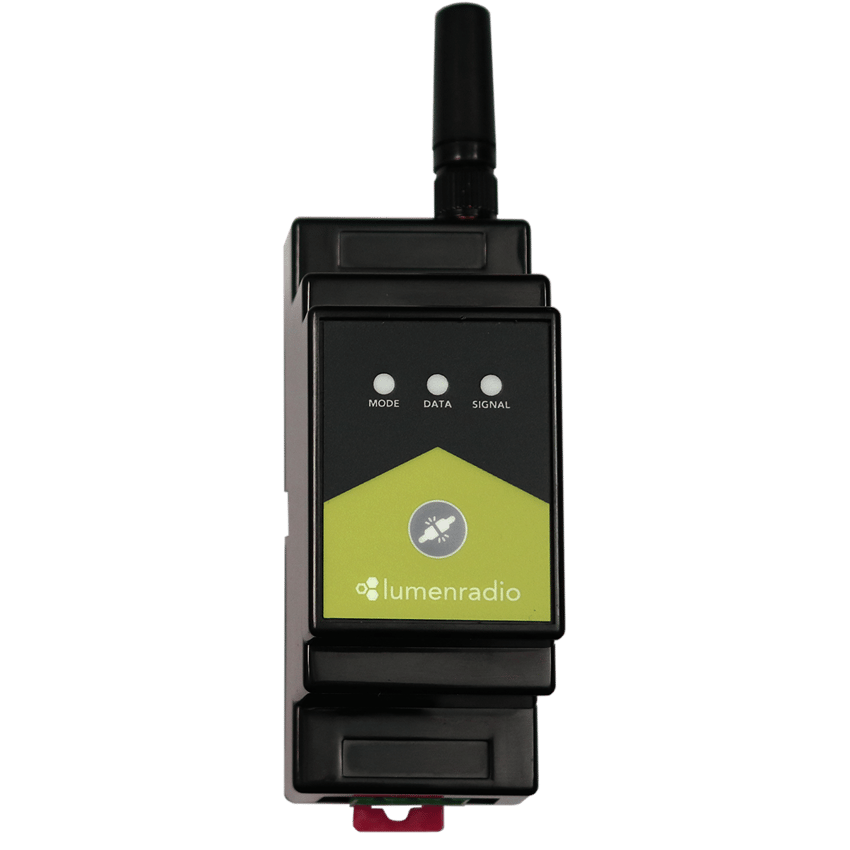
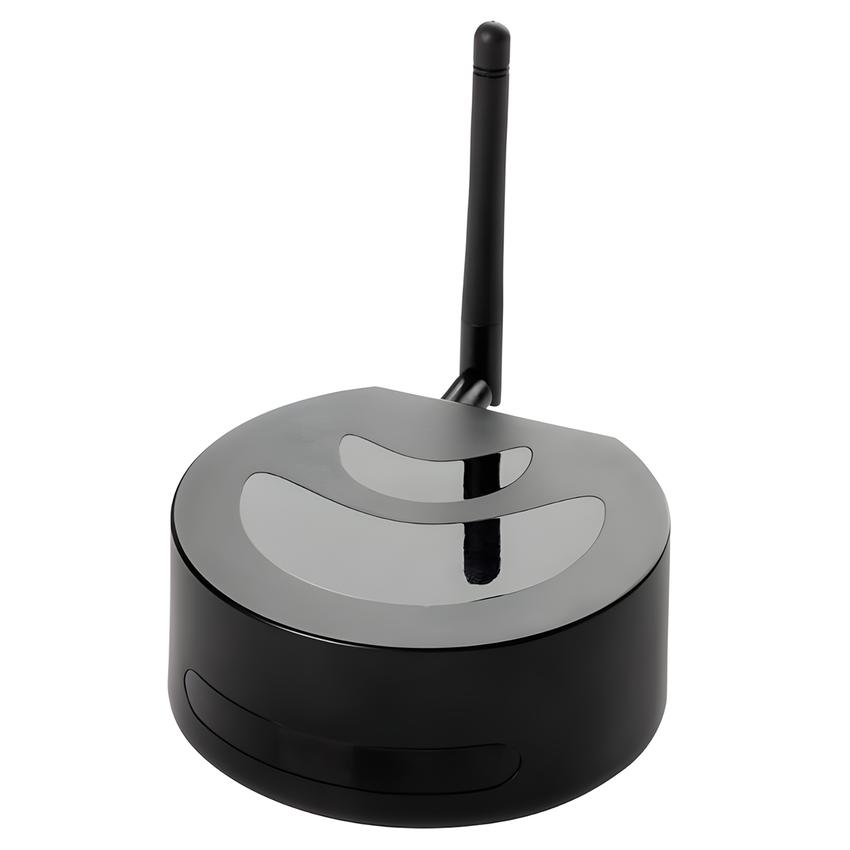
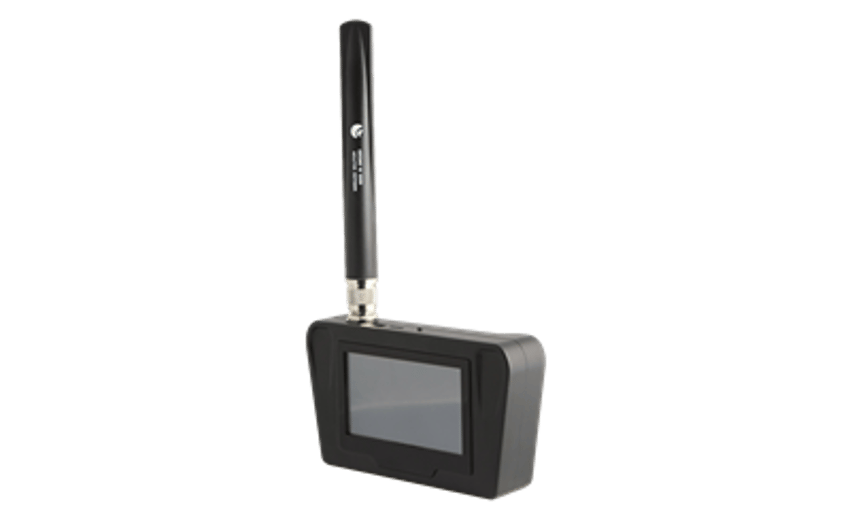
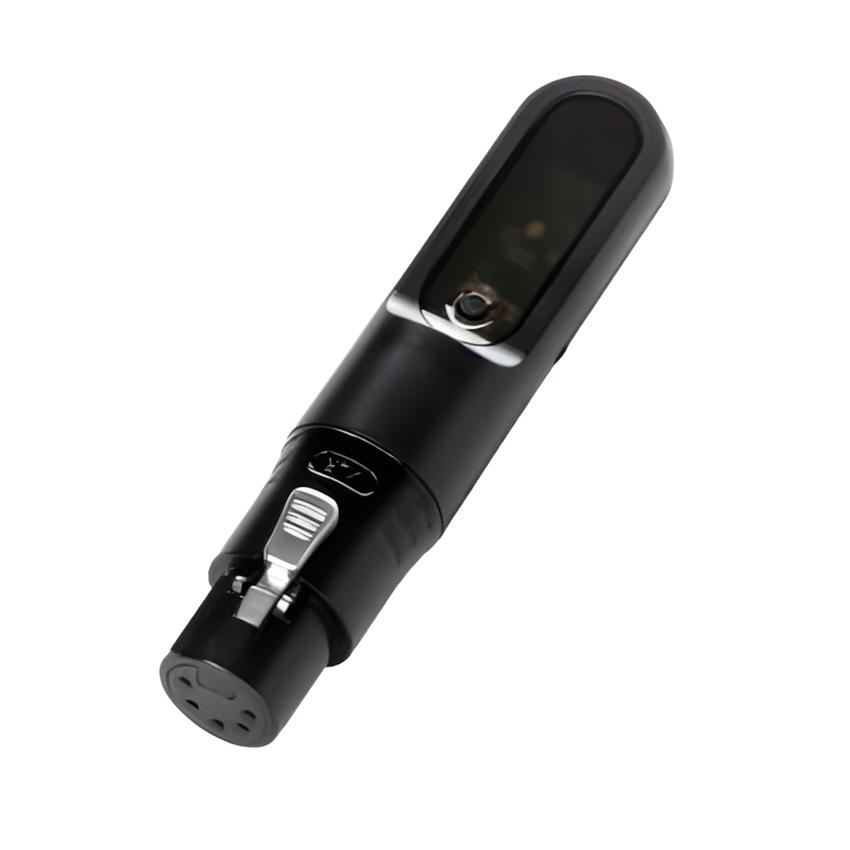
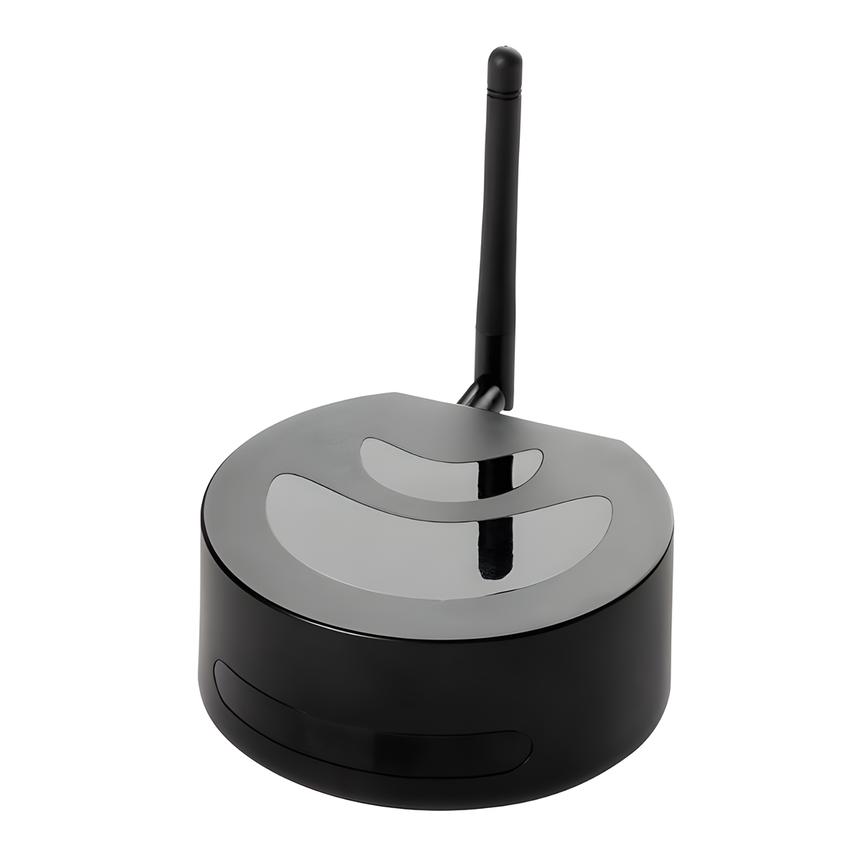
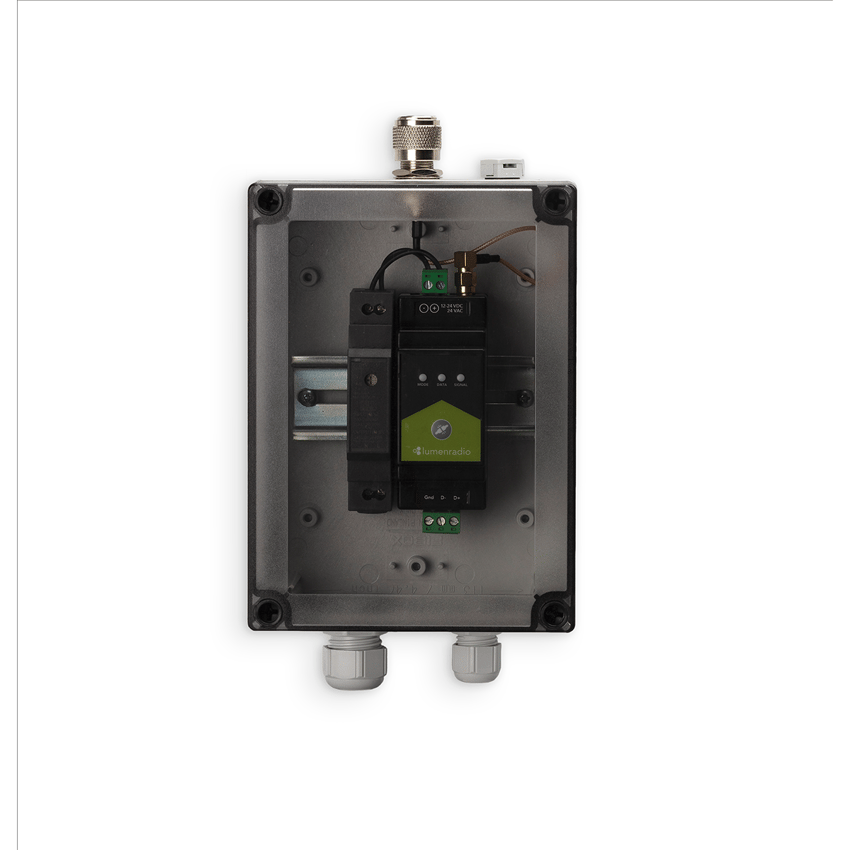
- Wireless Solution: W-DMX transmitters, receivers and test tools for DMX control links where a physical data cable is not practical.
Specifying wireless DMX for AV projects
Plan these products together with DMX controllers, lighting fixtures, splitters, network nodes and suitable power distribution. For permanent work, document the RF path in the project file and keep service access to receivers in mind. For flexible venues, combine transmitters and receivers with labelled cabling at the rack and fixture side so technicians can restore a known setup quickly. For the broader control and data layer, explore our wireless DMX range within lighting signal connectivity.